2001–2013: the 360° cameras Doo Interactive and Doo Technologies built when no product existed, from the periscope XCam to inspection and helmet cameras for defence and homeland security.
Twelve years of 360° cameras, built for problems no product could solve.
From a periscope rig of two camcorders in 2001 to inspection, vehicle and helmet cameras for defence and homeland security customers in 2013, these prototypes are the hardware side of the group’s imaging work.
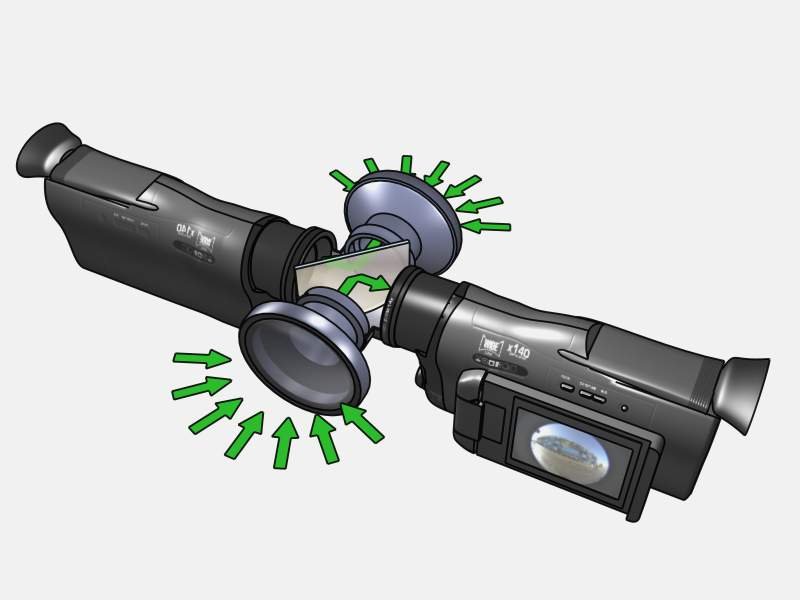
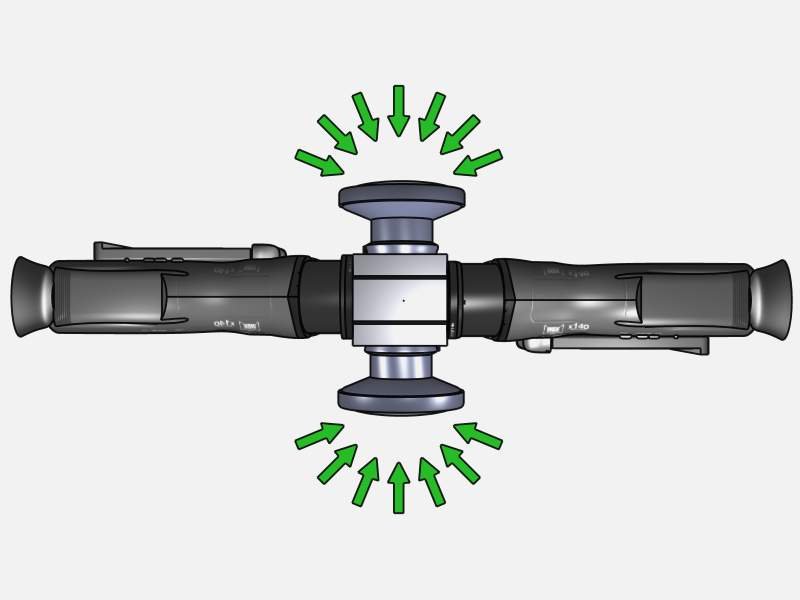
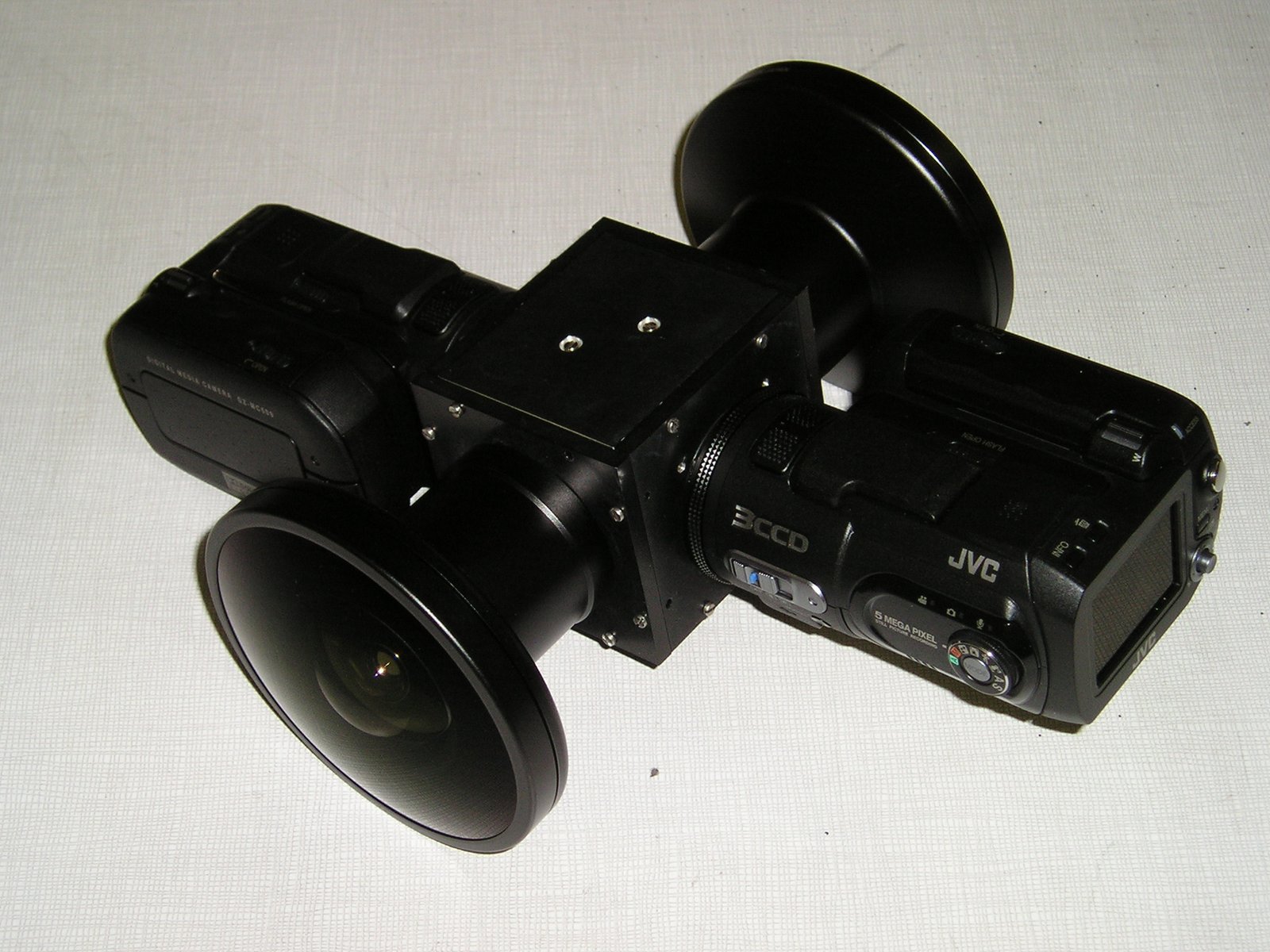
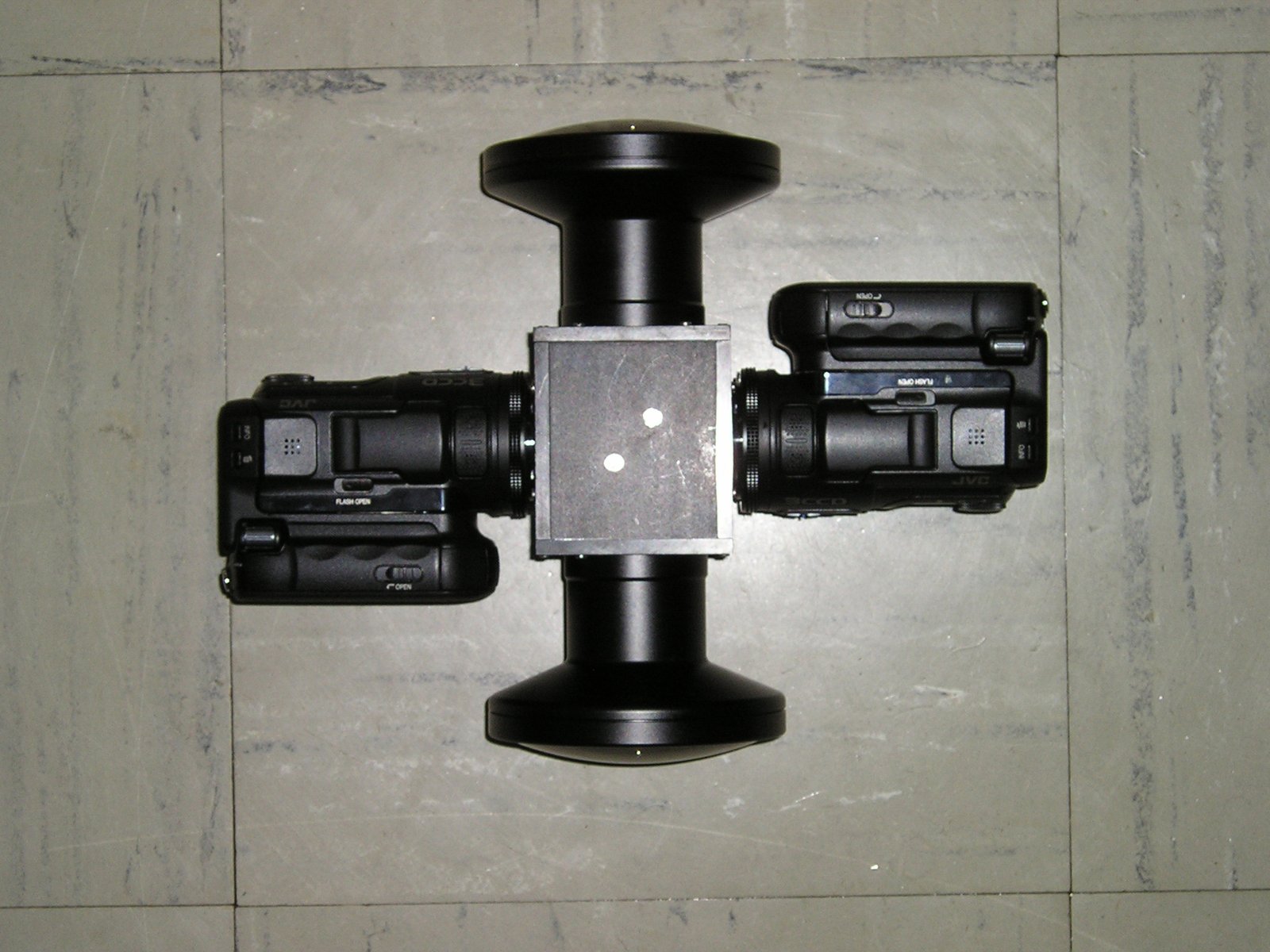
Affordable video cameras in 2001 were DV camcorders, and two of them back to back placed their lenses too far apart for a clean stitch. The XCam turned them to face each other and folded the light through a prism and mirrors, periscope-style, to bring the optical centres together. Every later design started from this principle.
The principle: two camcorders facing each other, light folded in from both sides.Top view of the folded optical path.The built rig, with two fisheye lenses.Seen from above.
2005
PL54 lens
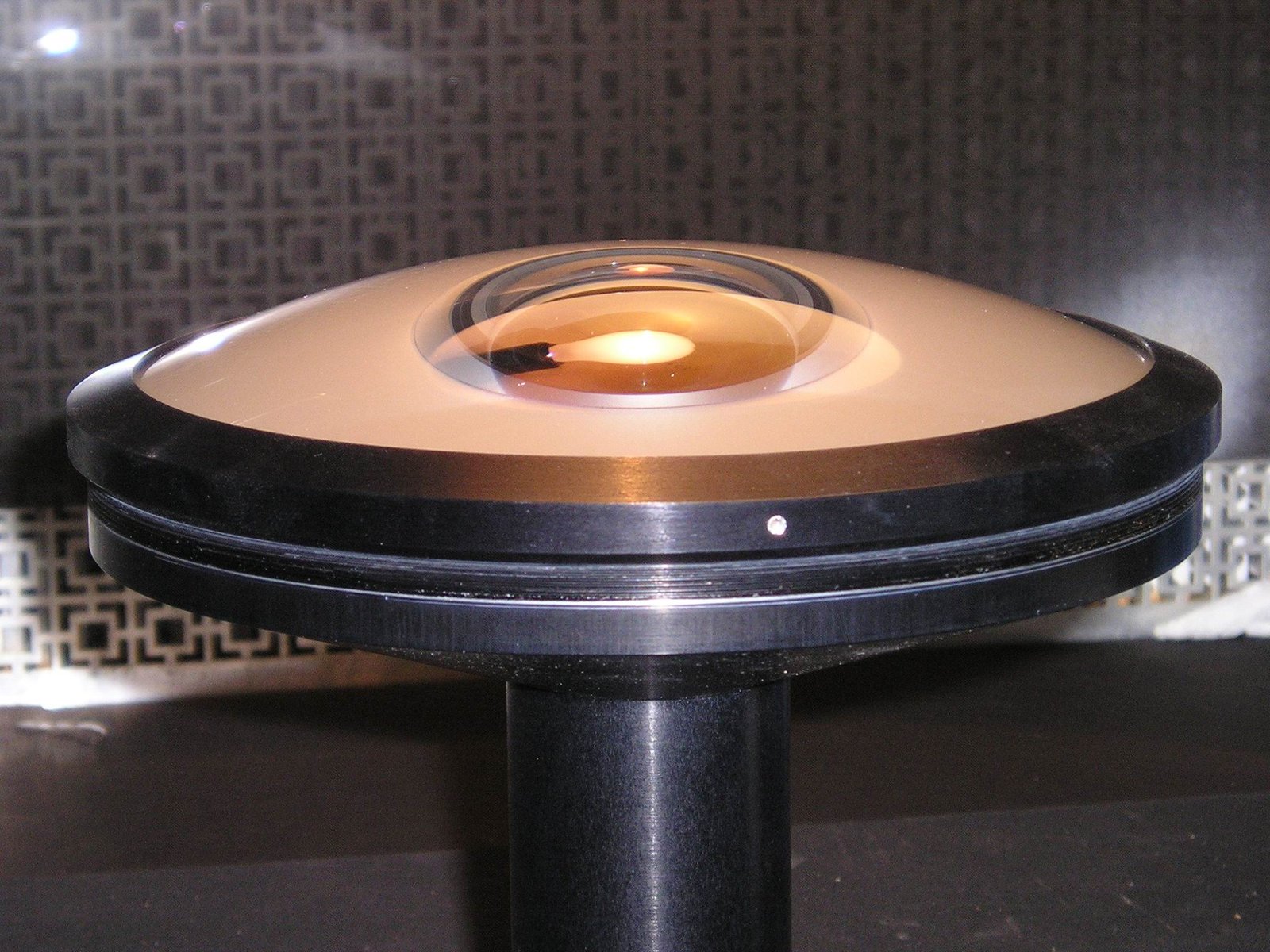
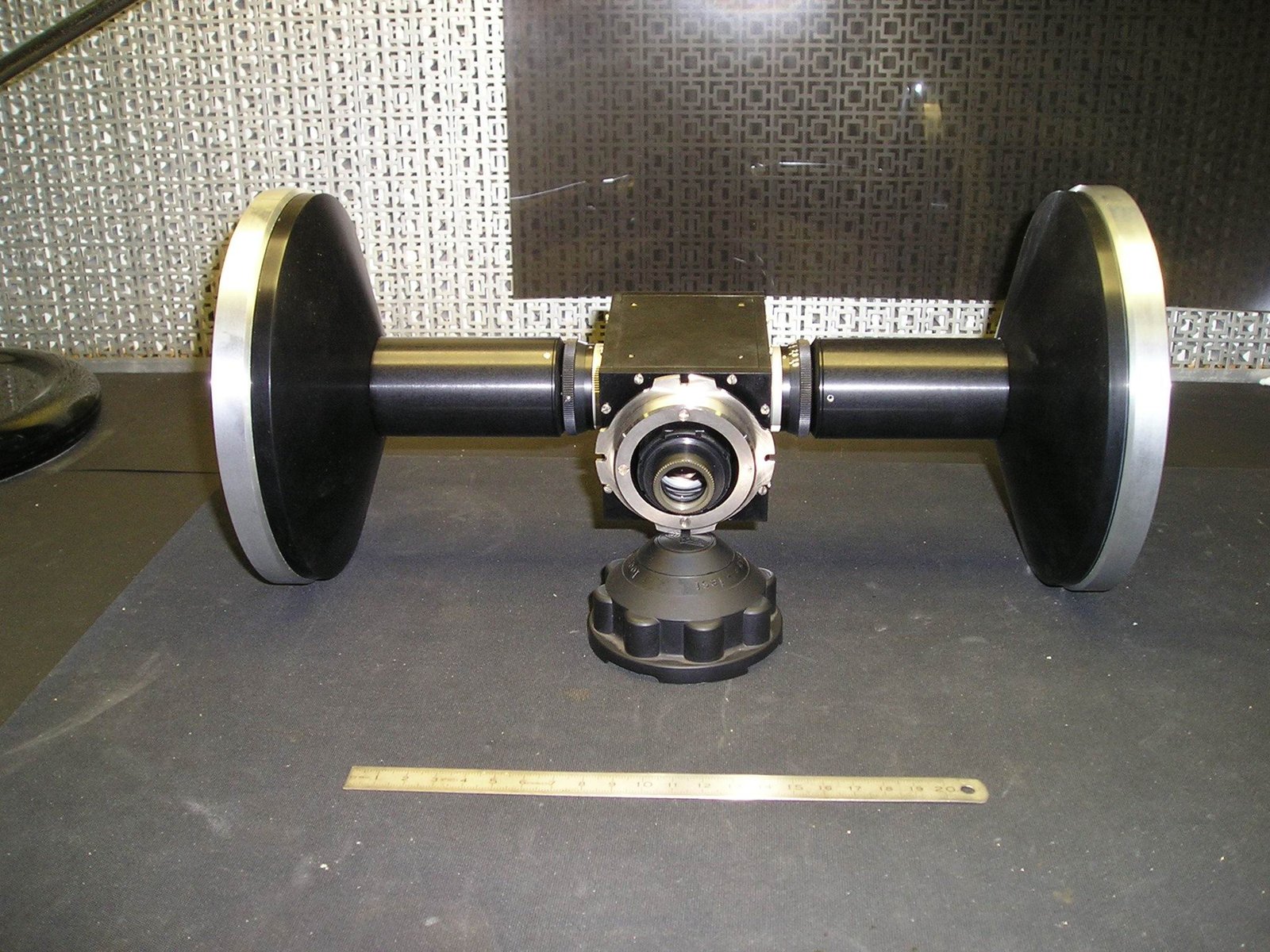
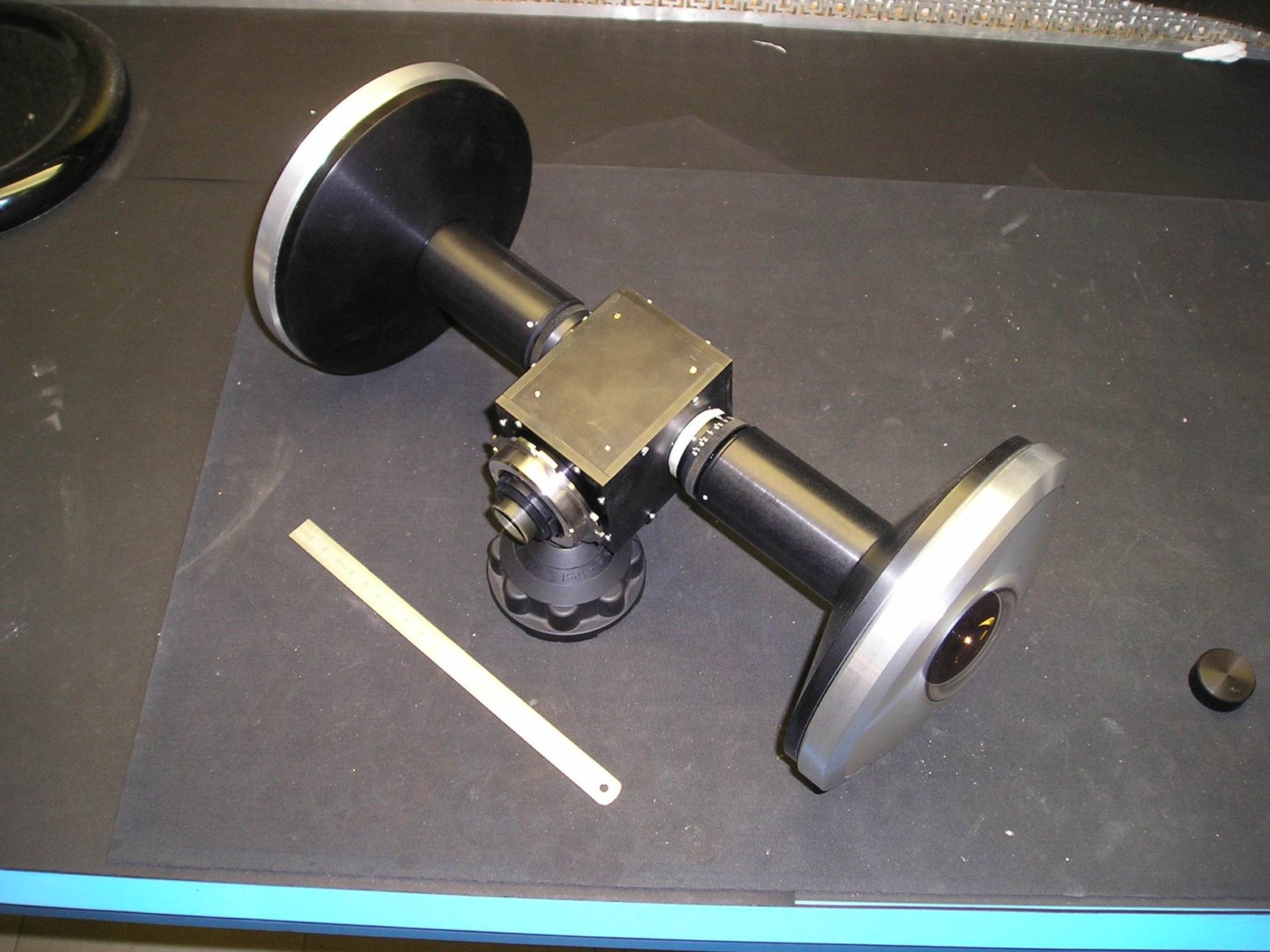
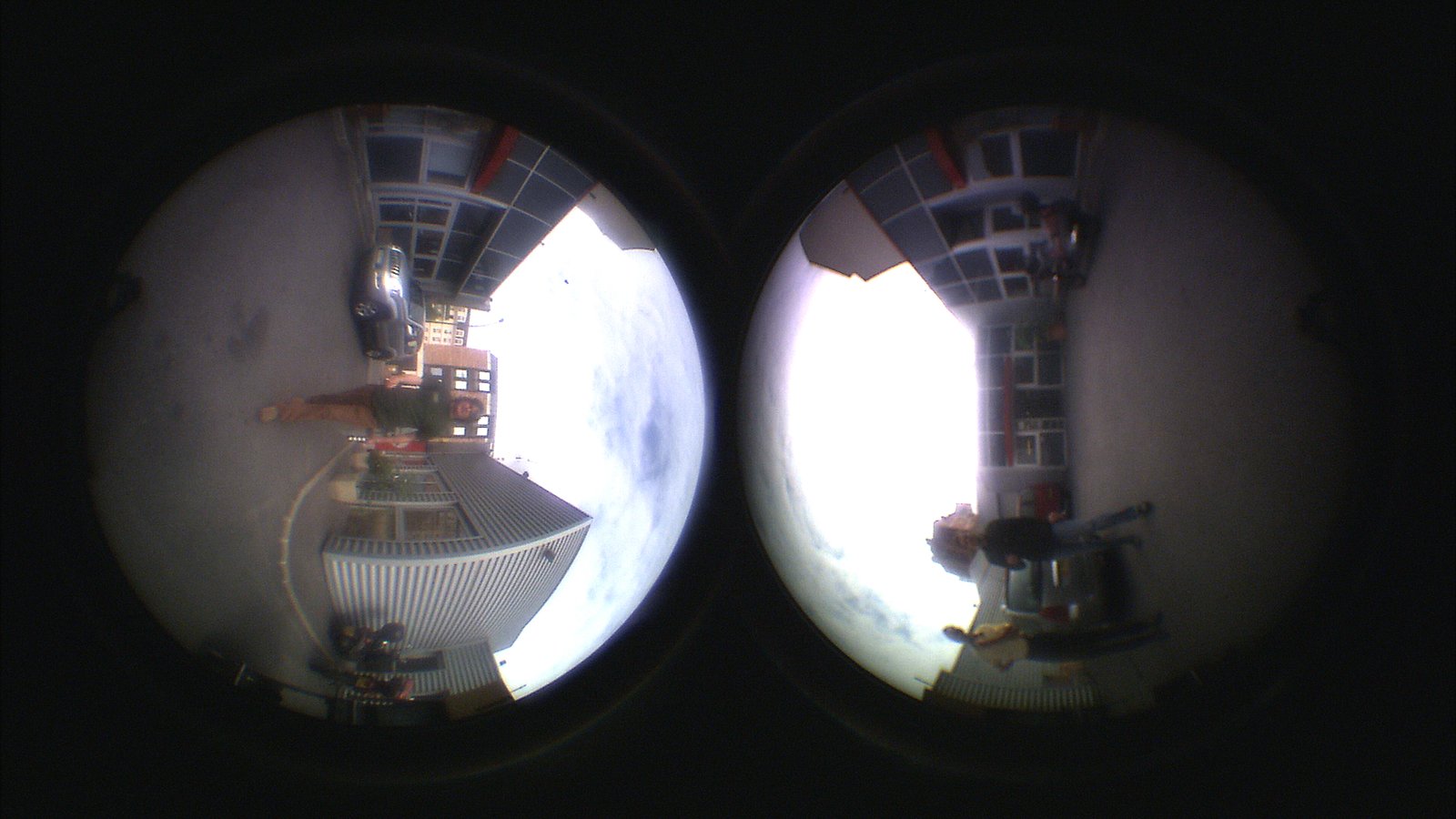
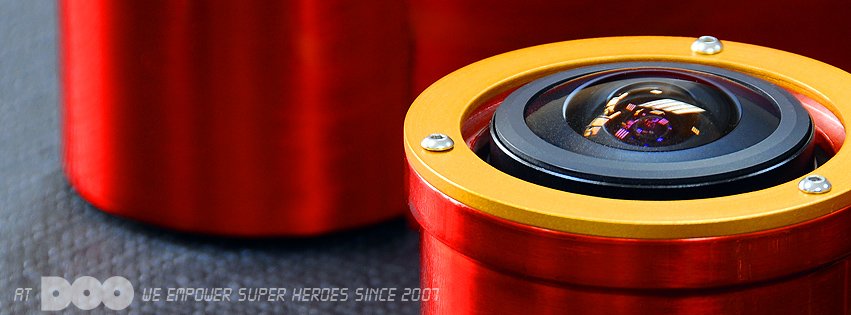
360° for cinema cameras: two 220° fisheye lenses on C-mounts, joined by a central T-junction, with a PL54 adaptor ring as the main mount for an Aaton 35 mm film camera. The first live test took place with Photint on the bank of Dubai Creek in 2005, on a Sony HD camera.
One of the two 220° fisheye elements.Both C-mount lenses on the T-junction.On the bench, with the PL54 adaptor ring.A first frame: two fisheye circles on one film image.
2008
Vehicle camera
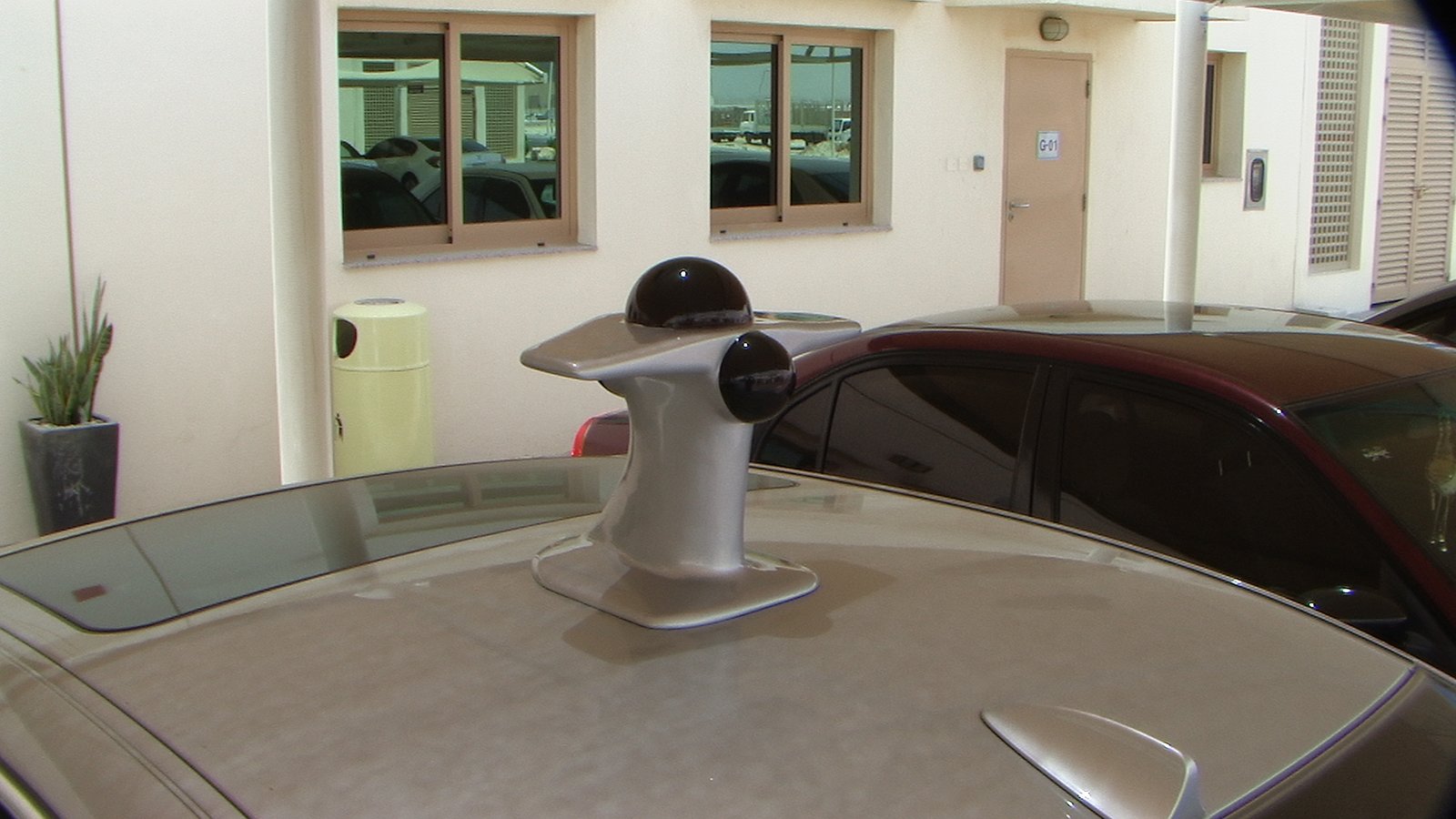
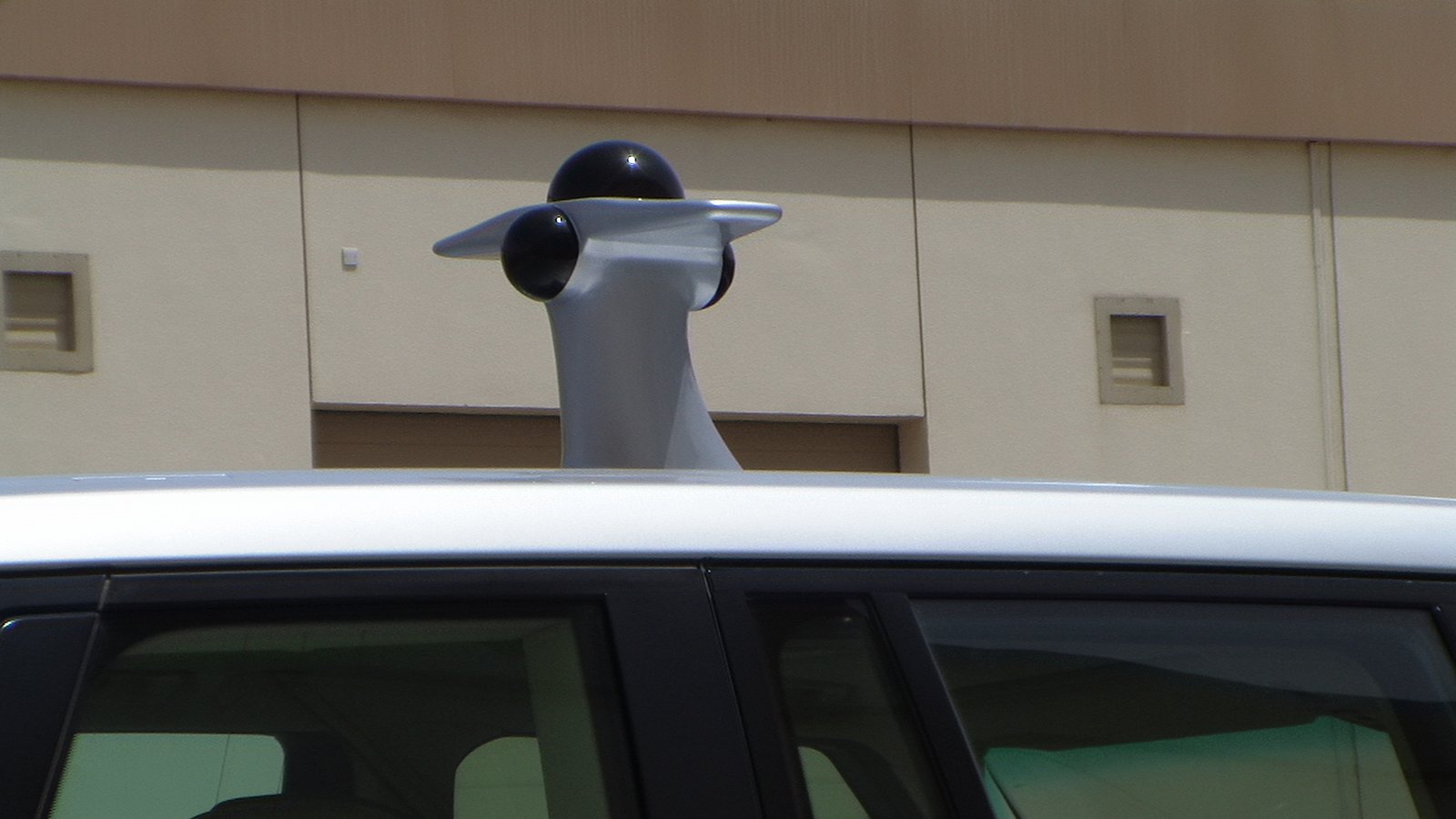
A proof of concept for vehicle integration. The optics were proven; the engineering effort went into the casing, designed and moulded in fibreglass for roof mounting.
The fibreglass casing on a car roof, 2008.Side view.
2009–2010
TCam
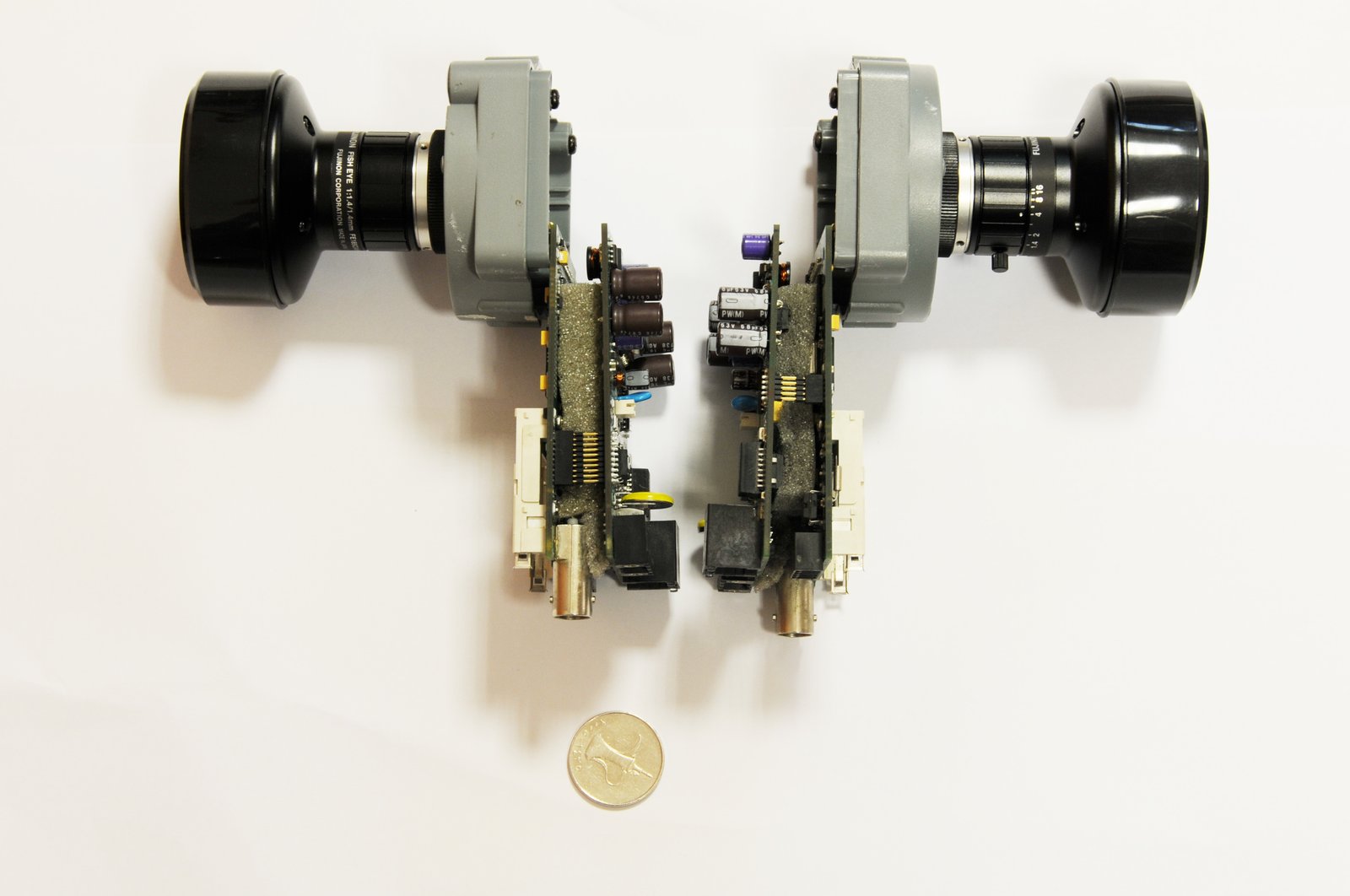
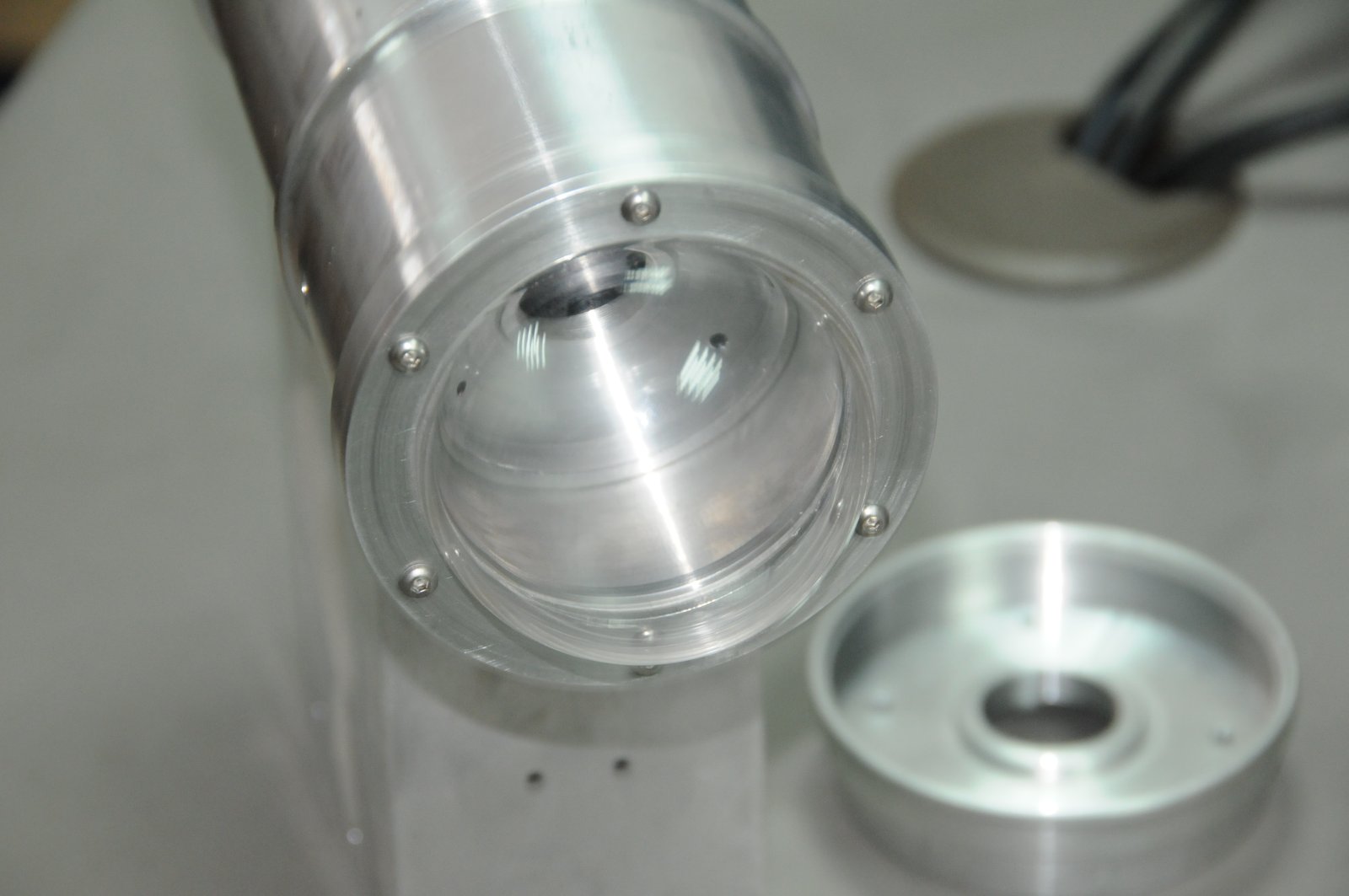
The folded-optics principle in a compact form: two camera boards and their optics in one aluminium body, followed by an IP version for surveillance networks.
Two boards, two optics.The machined aluminium body.The IP version.Lens detail.
2009–2011
The H2
The cameras integrated into a complete mobile surveillance vehicle, first shown at Intersec 2010. See the H2 case study.
2012
Styx
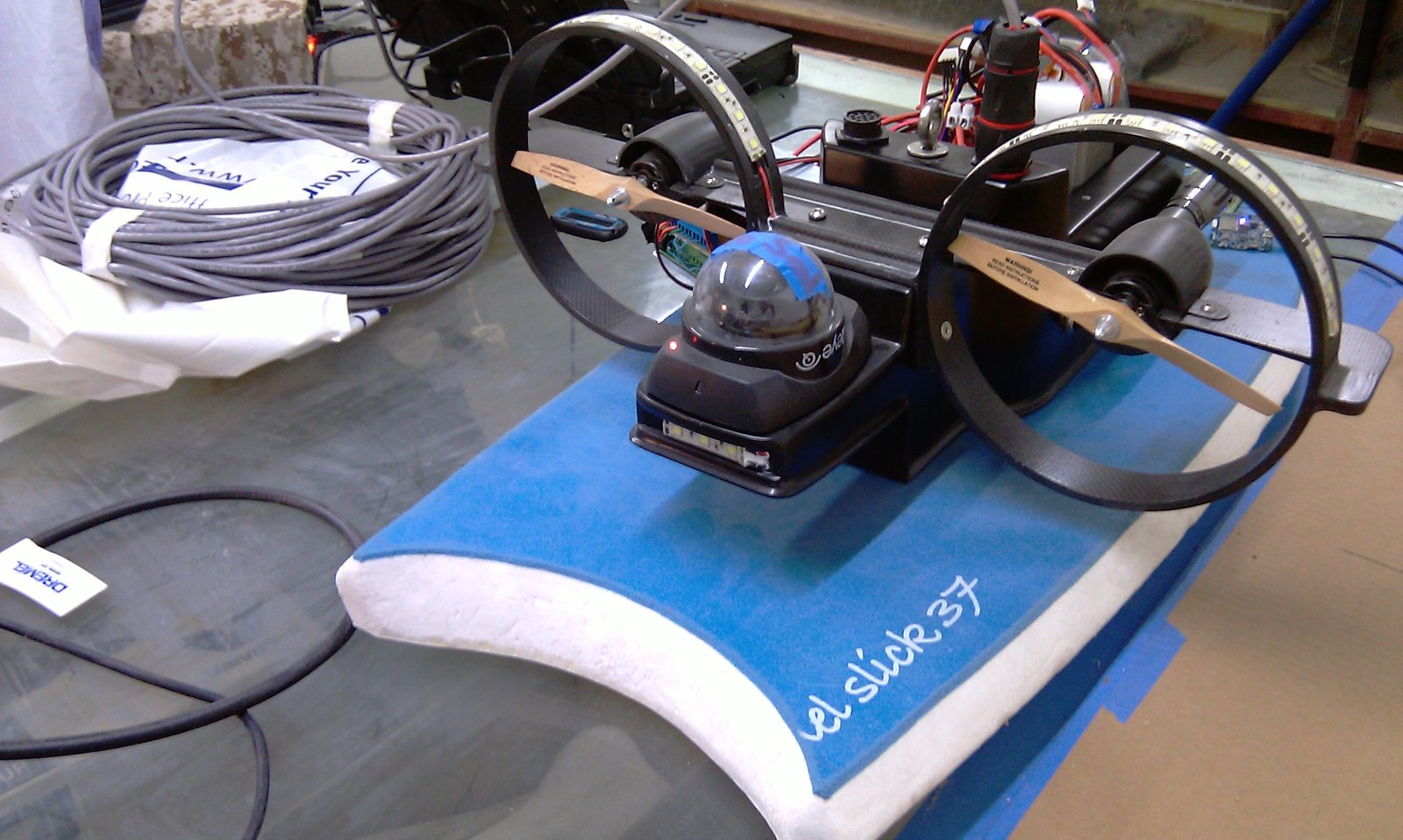
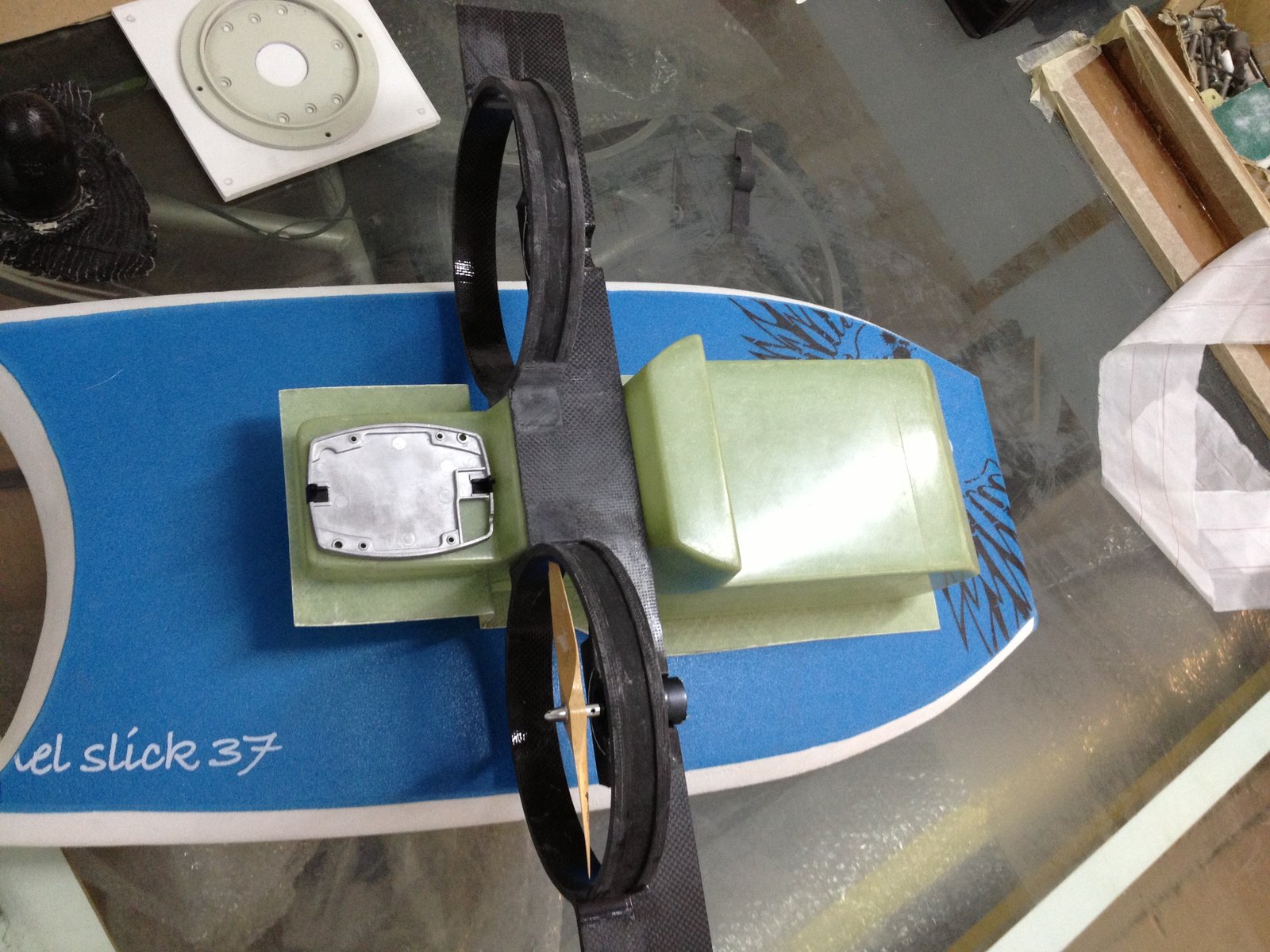
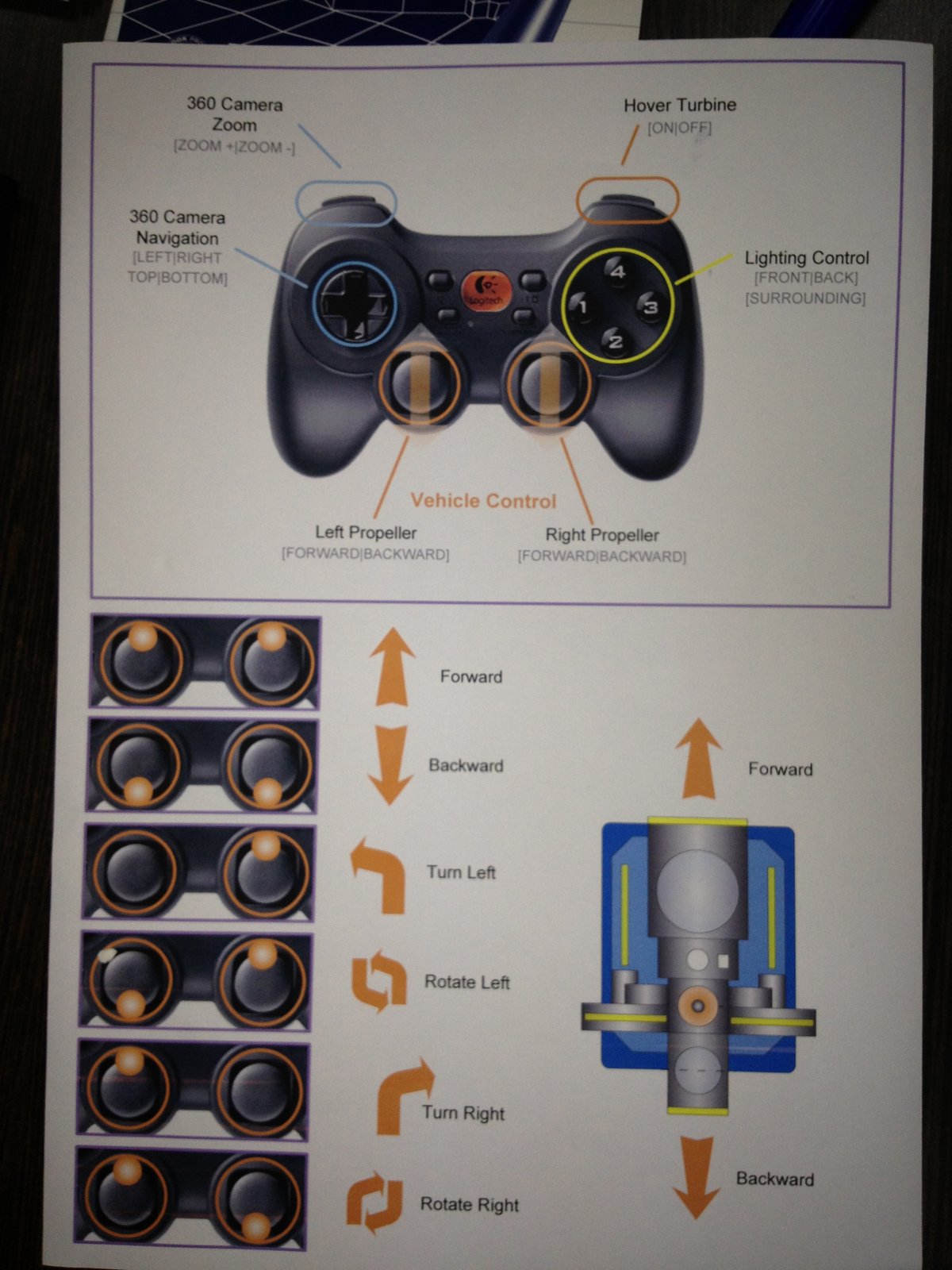
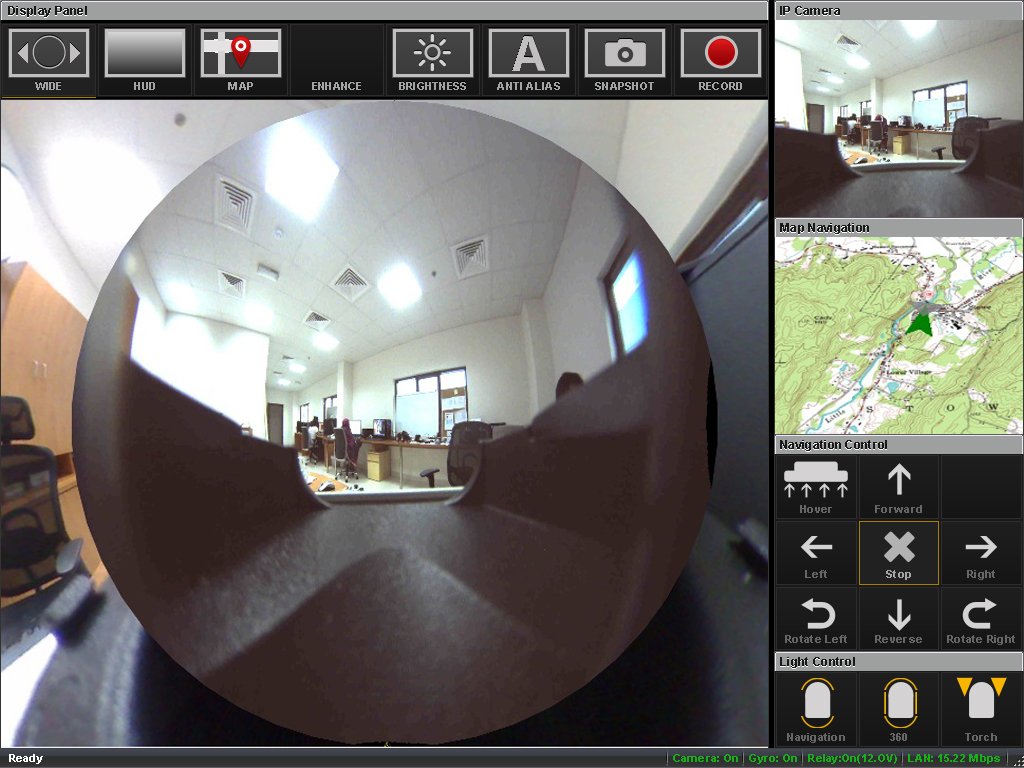
An unmanned surface vehicle carrying a 360° camera on a twin-propeller hull, driven with a gamepad. A single interface combined the live 360° view, camera control and a map.
The 360° camera on the hull.Twin propellers and electronics bay.Gamepad control map.The operator interface.
2012
Karez inspection system
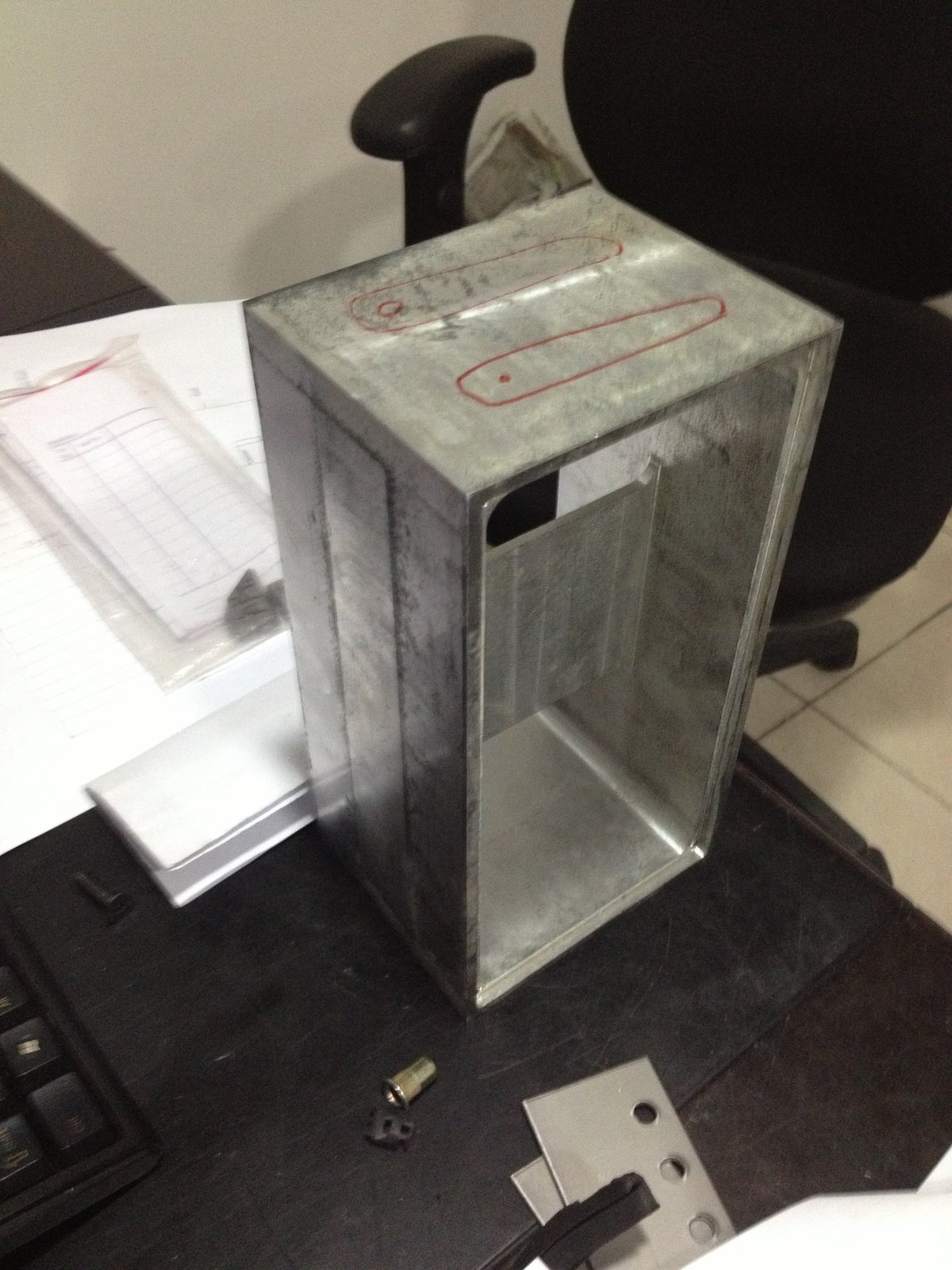
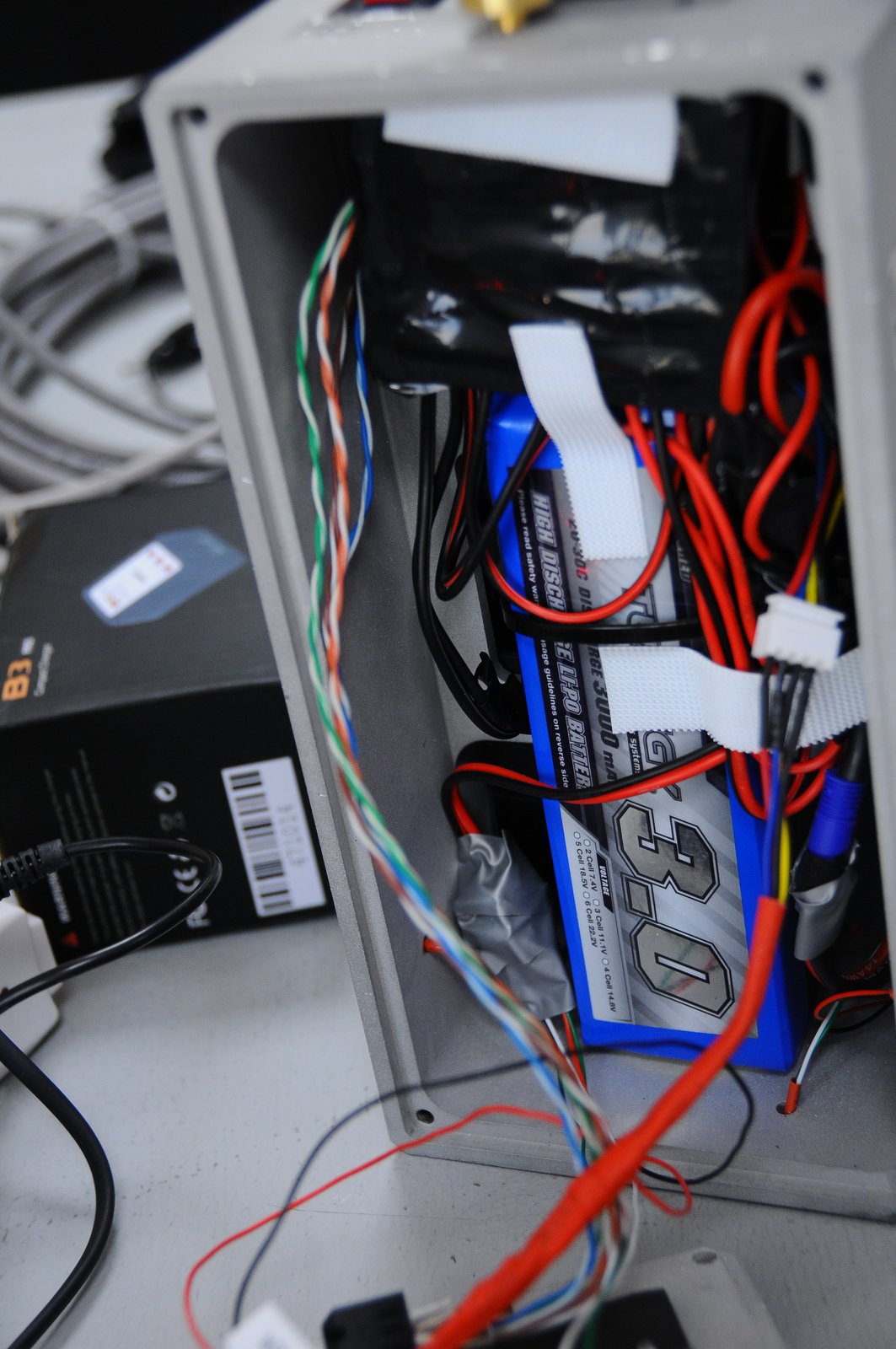
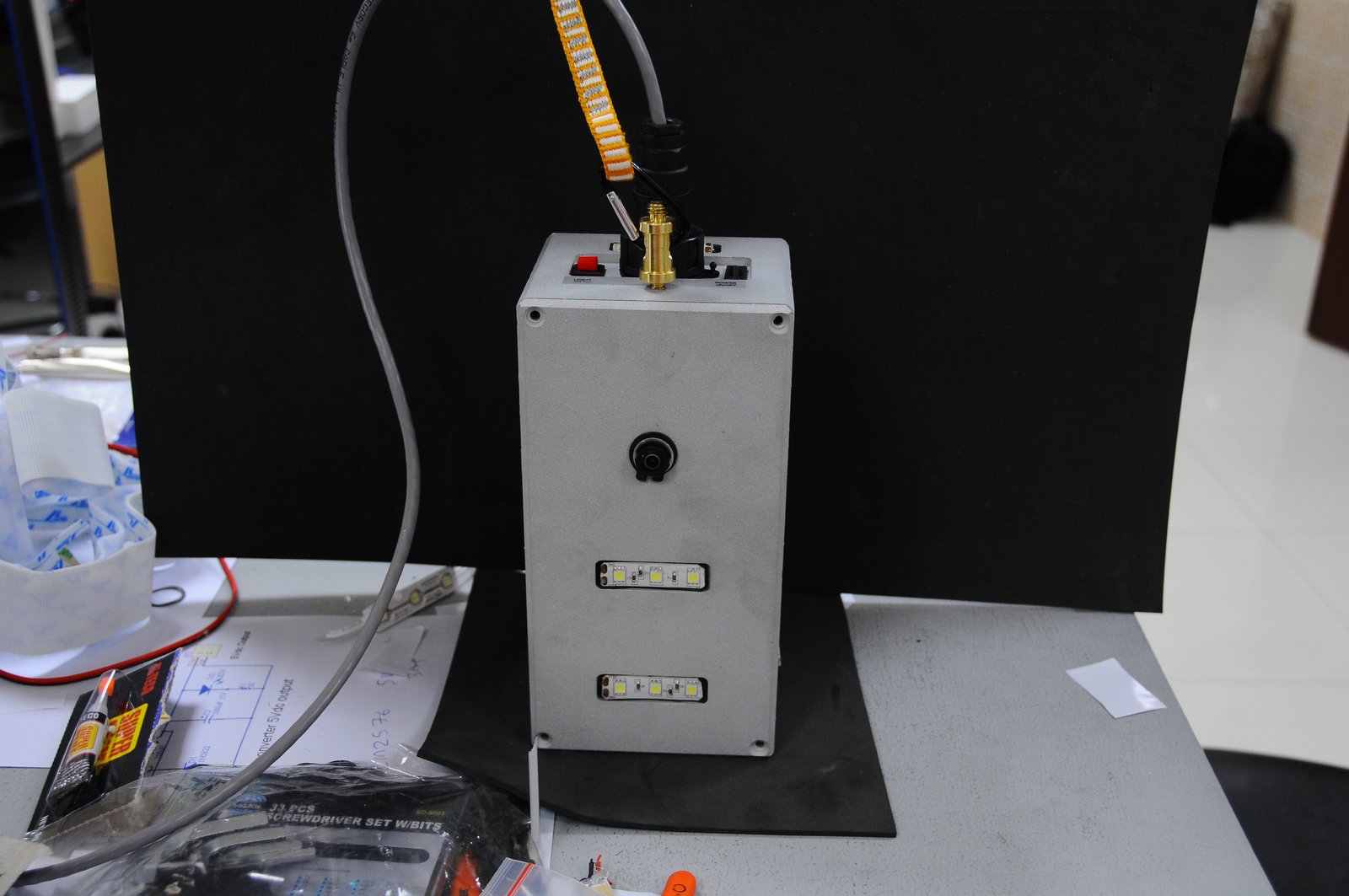
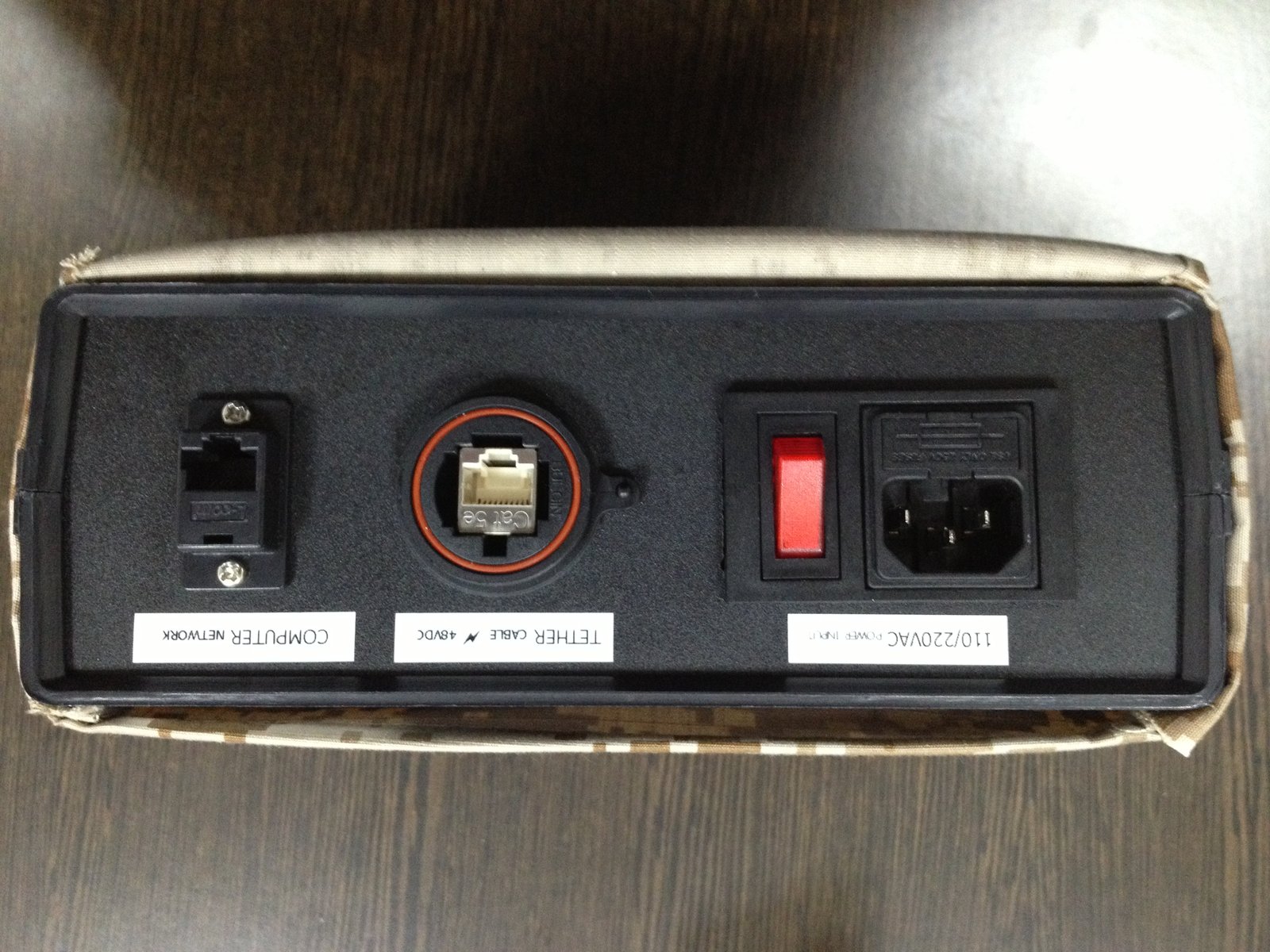
An inspection system for a defence customer, to survey karez, the underground water channels. A small series was produced: a tethered camera unit and a rugged tether unit, largely built as disposable technology.
The camera housing.Batteries and electronics inside.The assembled unit.Tether unit panel.
2011–2013
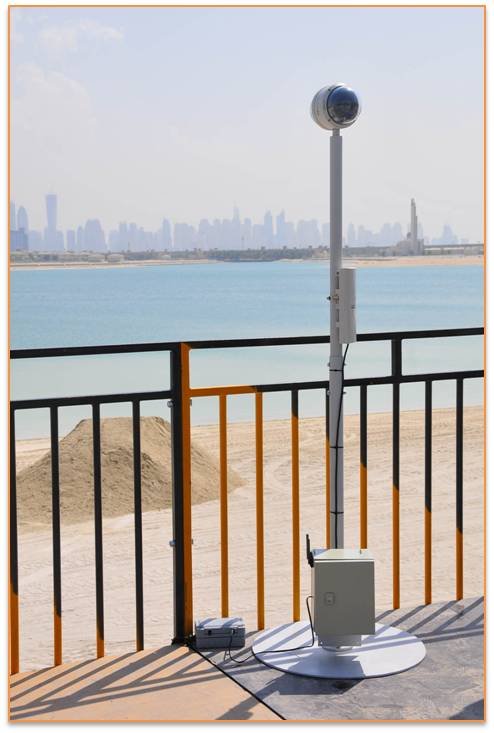
360° rugged time-lapse
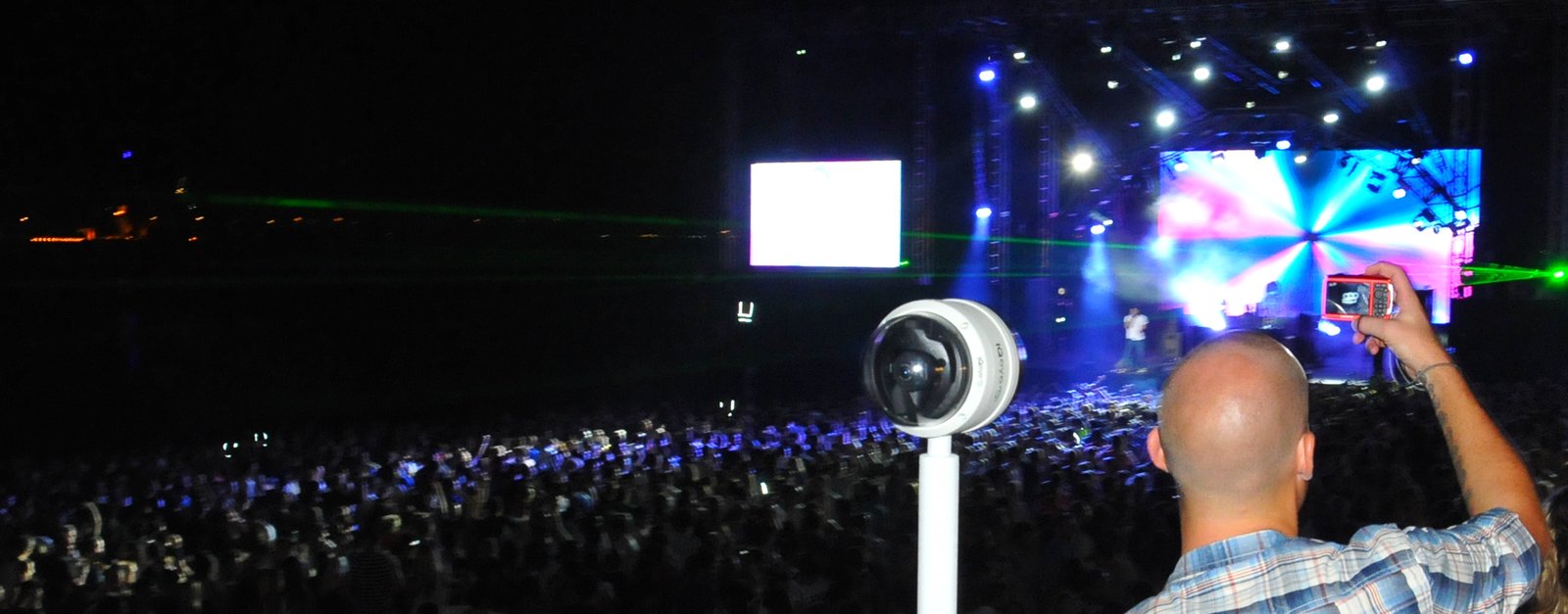
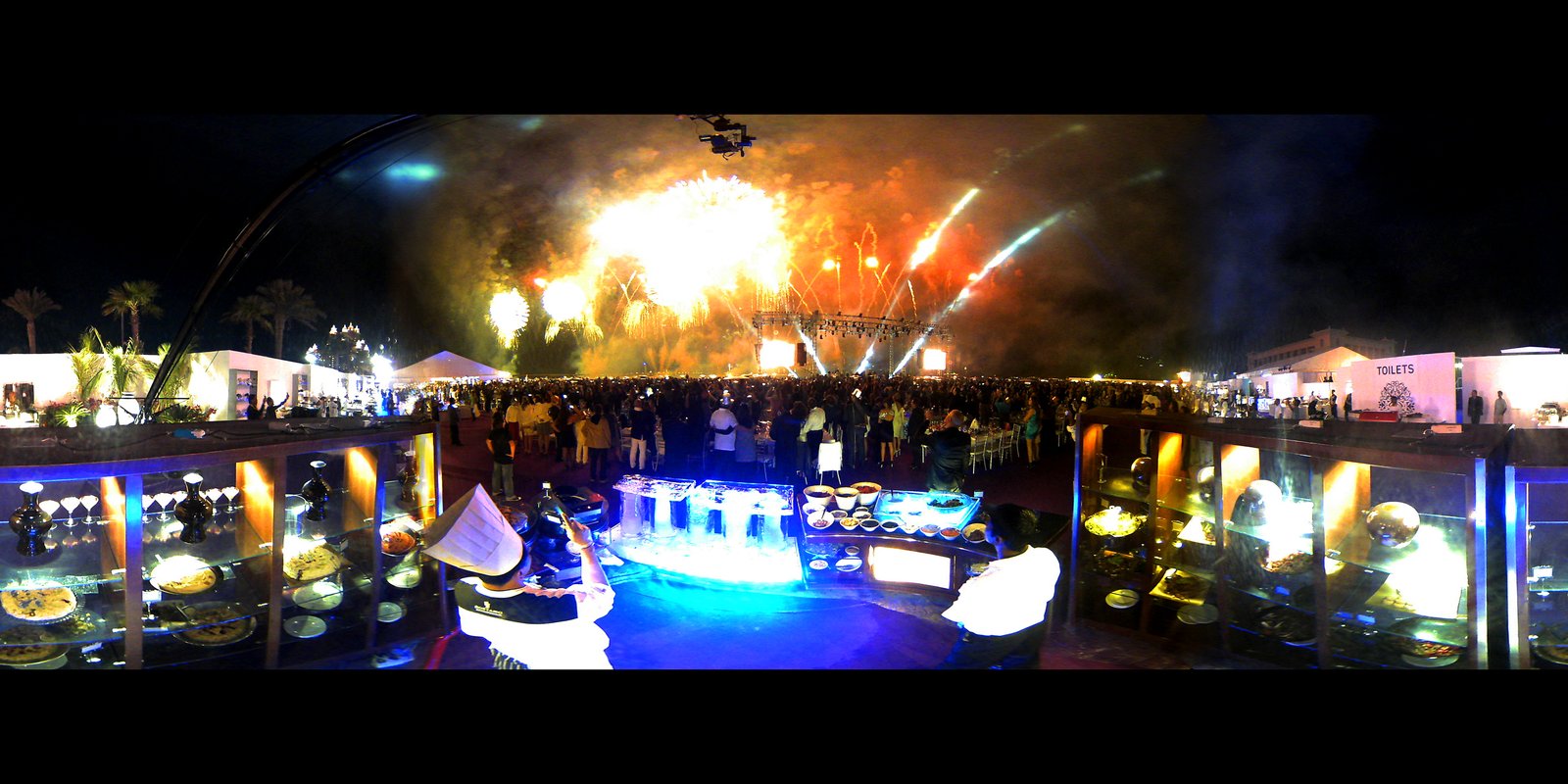
A pole-mounted 360° camera built to run unattended outdoors. It recorded concerts and New Year’s Eve 2011 at Atlantis The Palm.
On its pole, facing the Dubai skyline.At a concert.New Year's Eve 2011, in 360°.
2013
Bus simulator
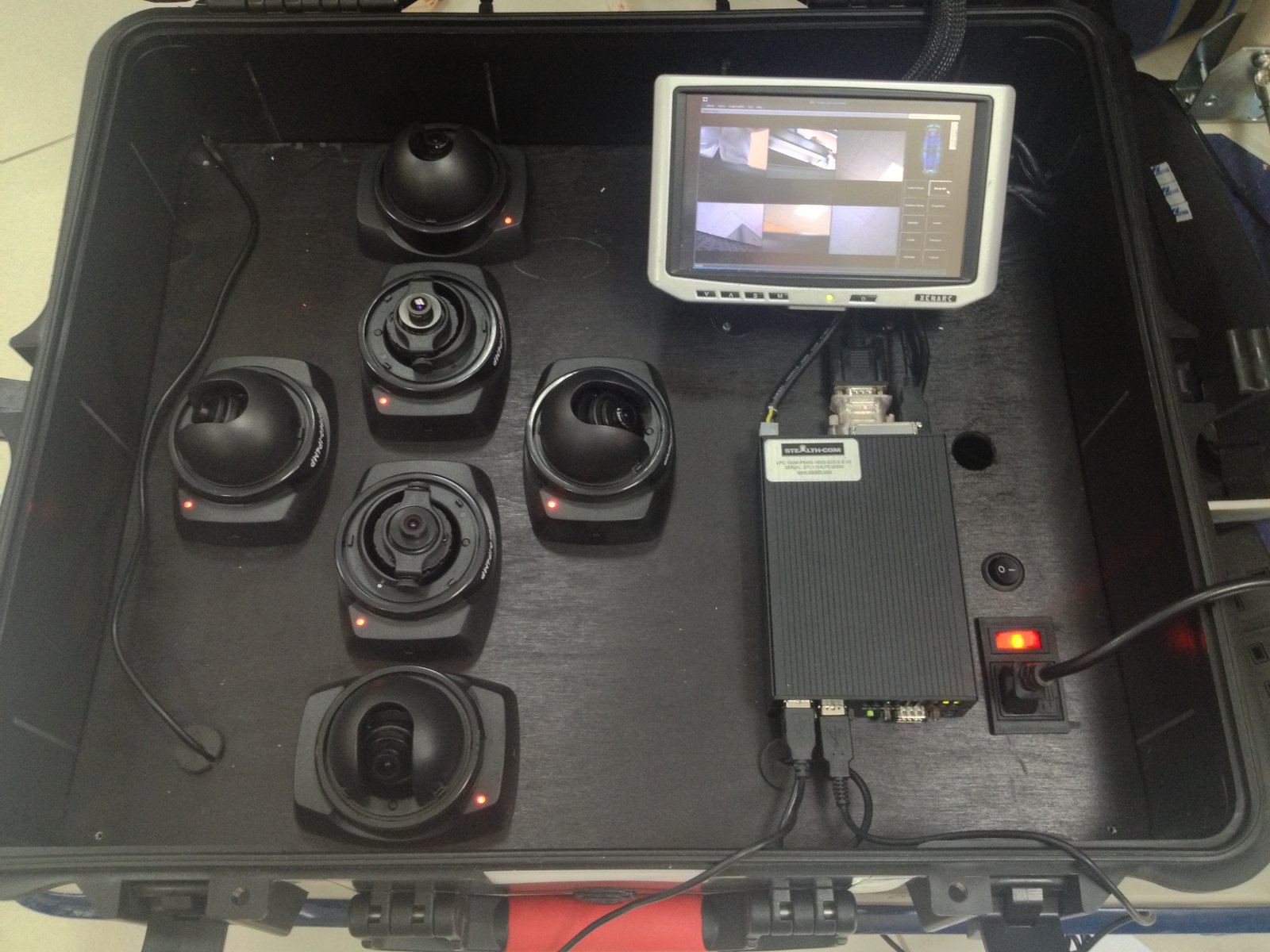
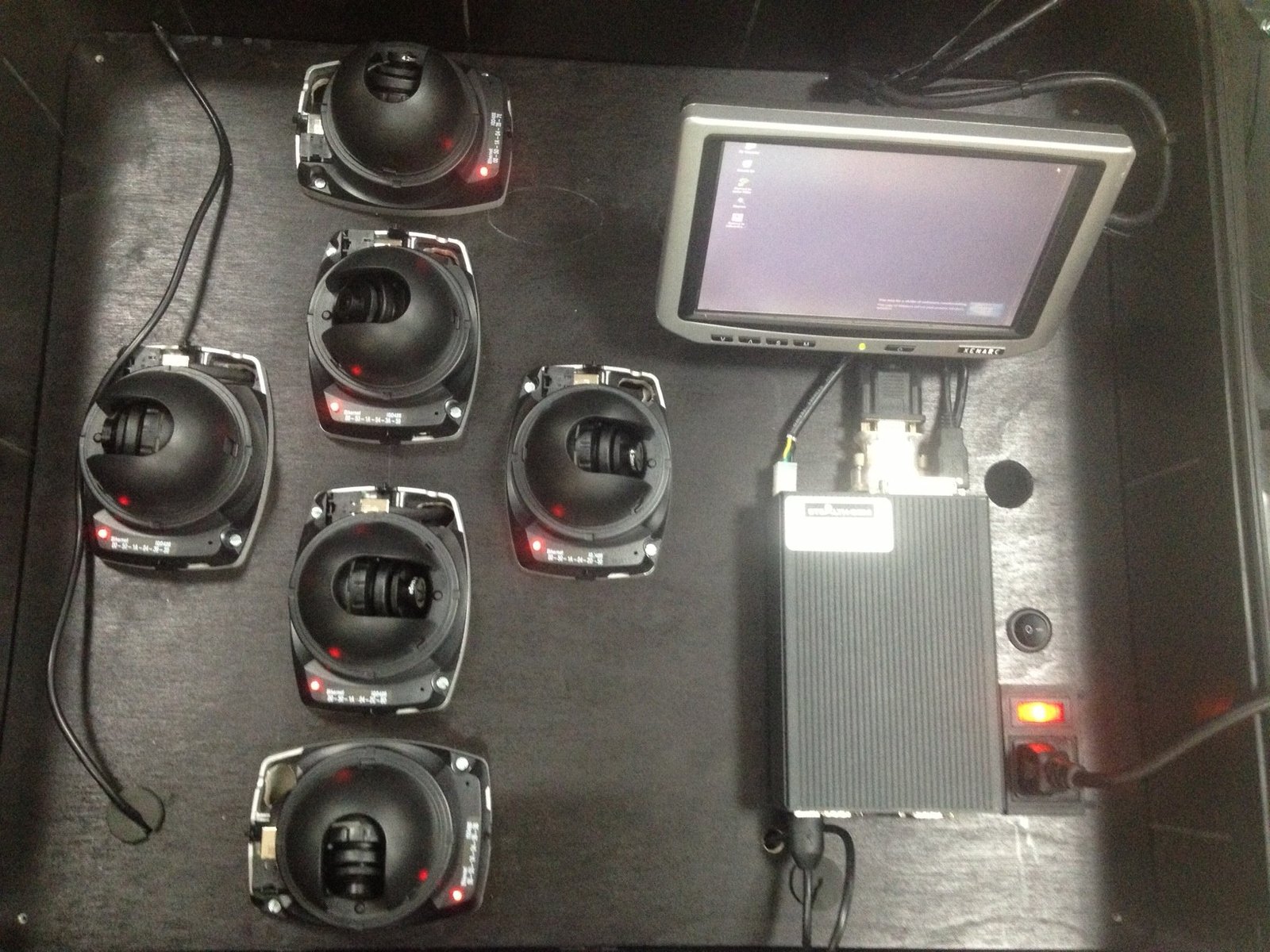
A demonstrator for public transport: onboard cameras, door open and close events, and accelerometer simulation to bookmark acceleration, slowdown, crashes, GPS position and speed, all linked to the camera recordings in a single database timeline.
The simulator case.Onboard cameras and recorder.
2013
For homeland security
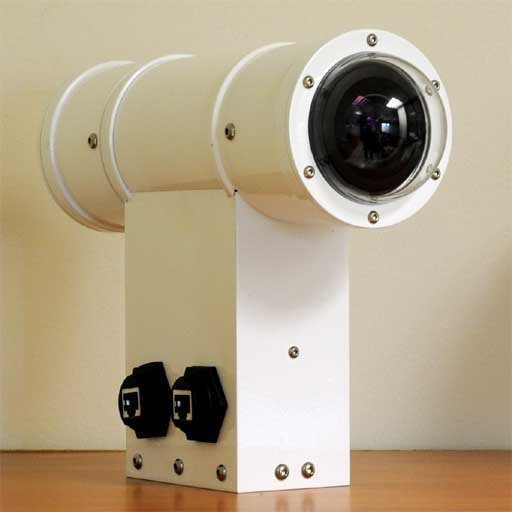
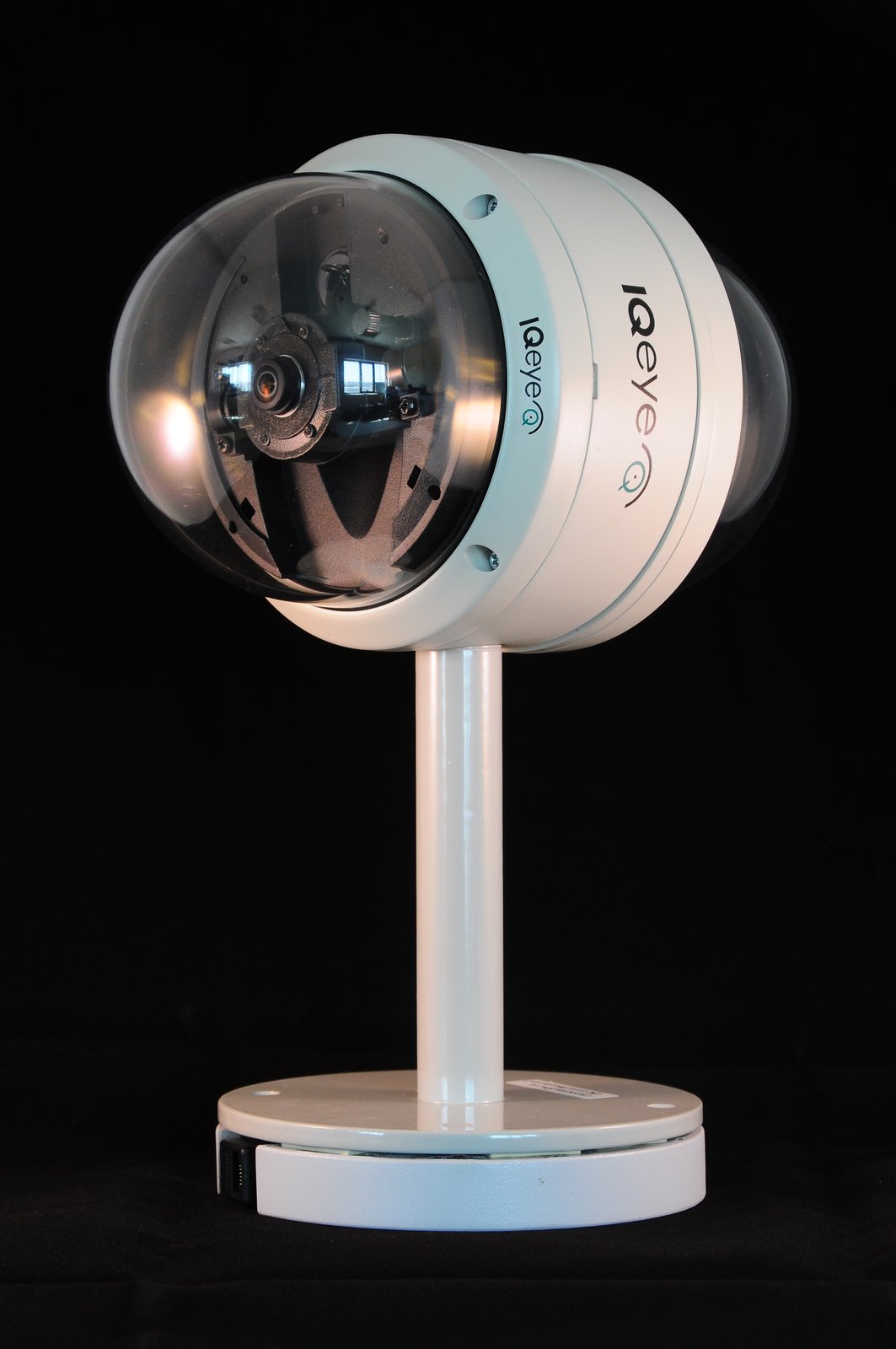
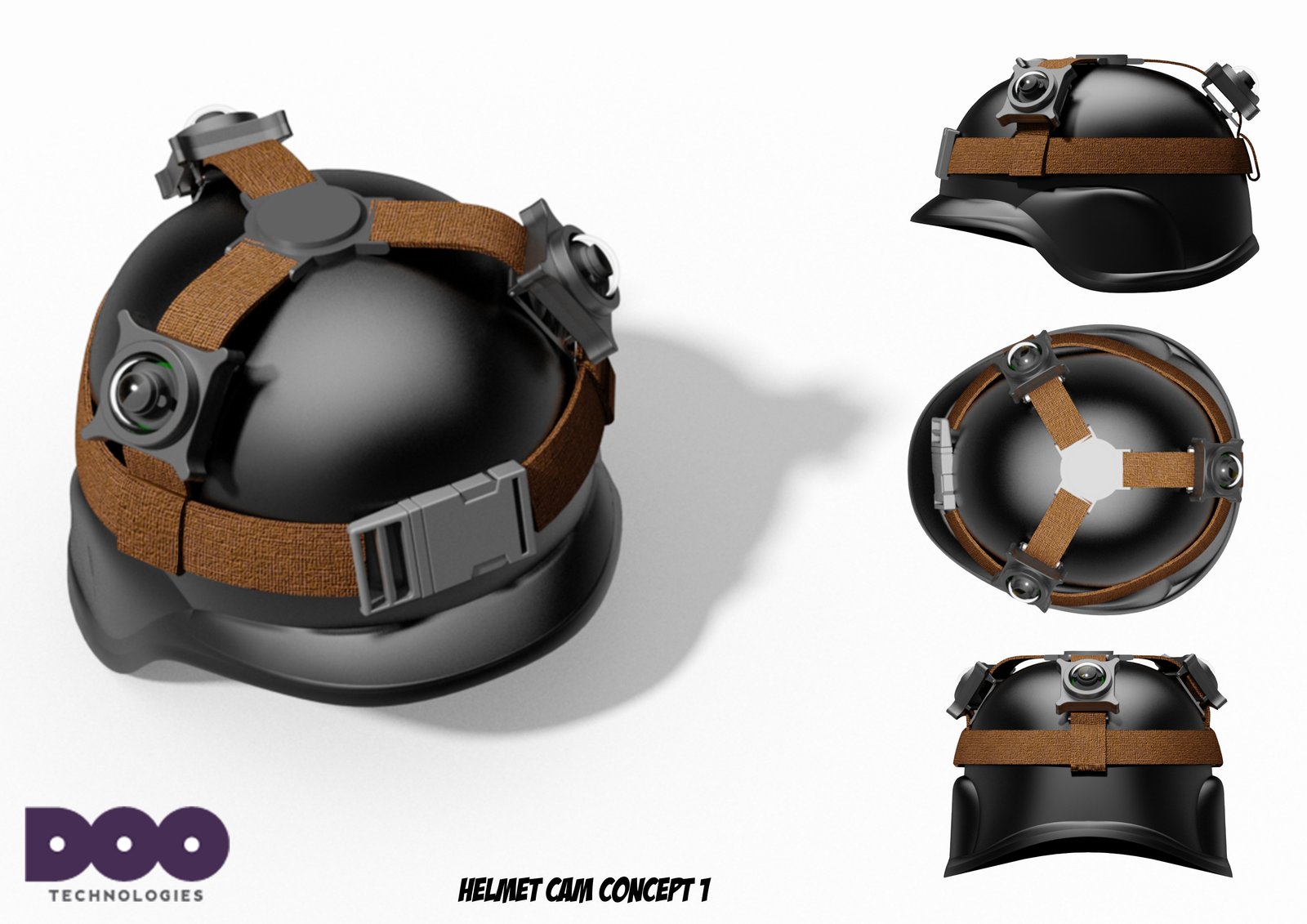
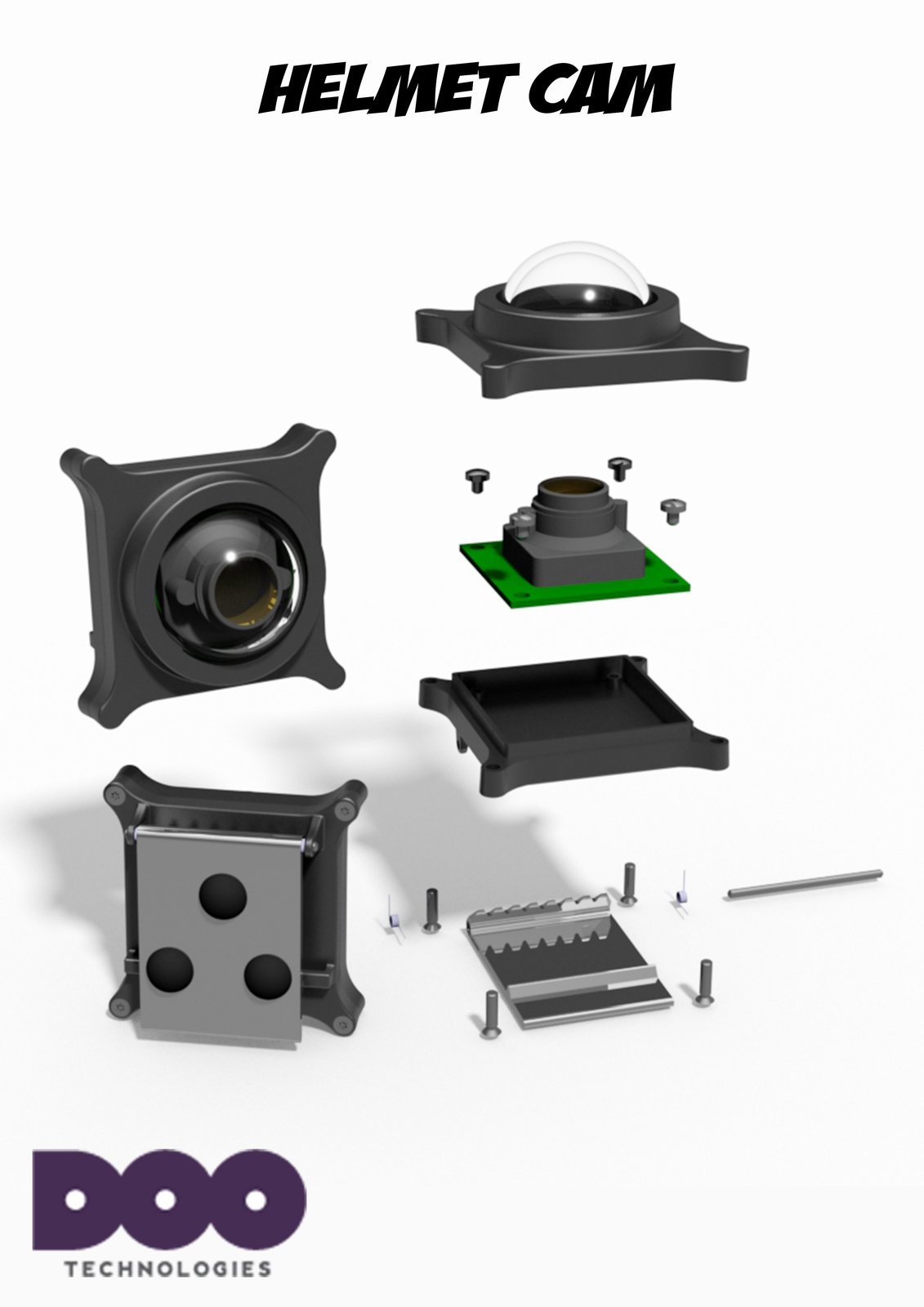
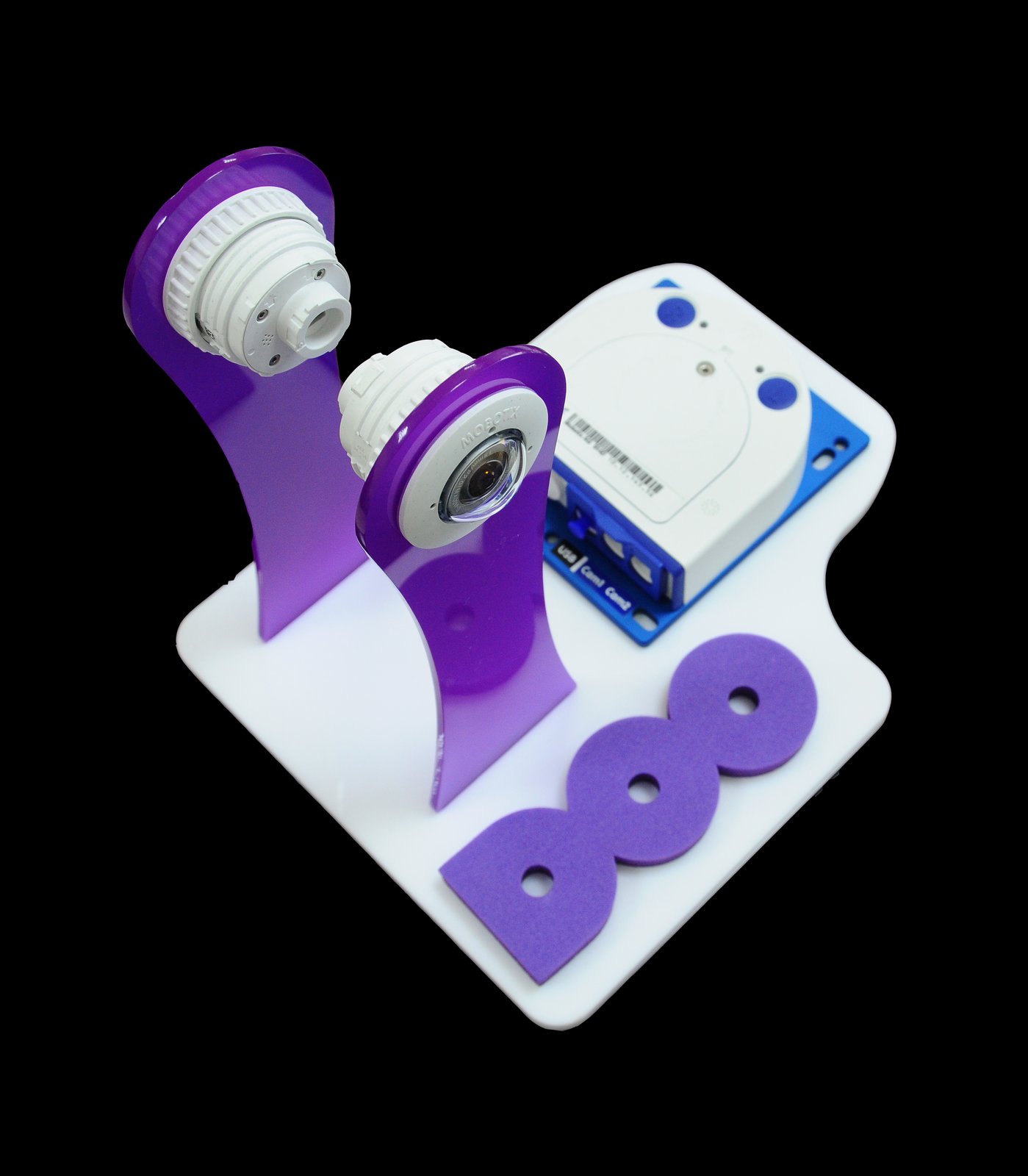
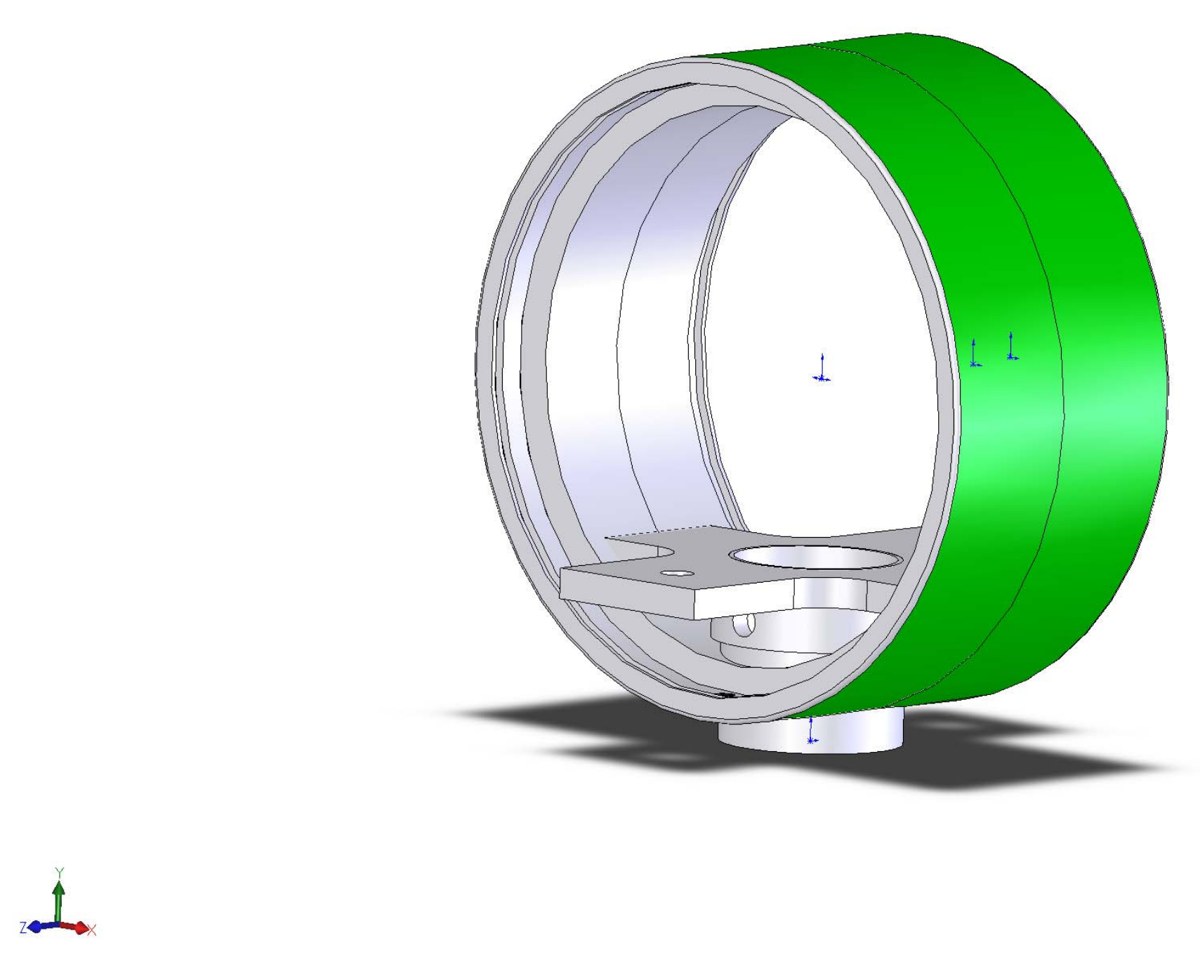
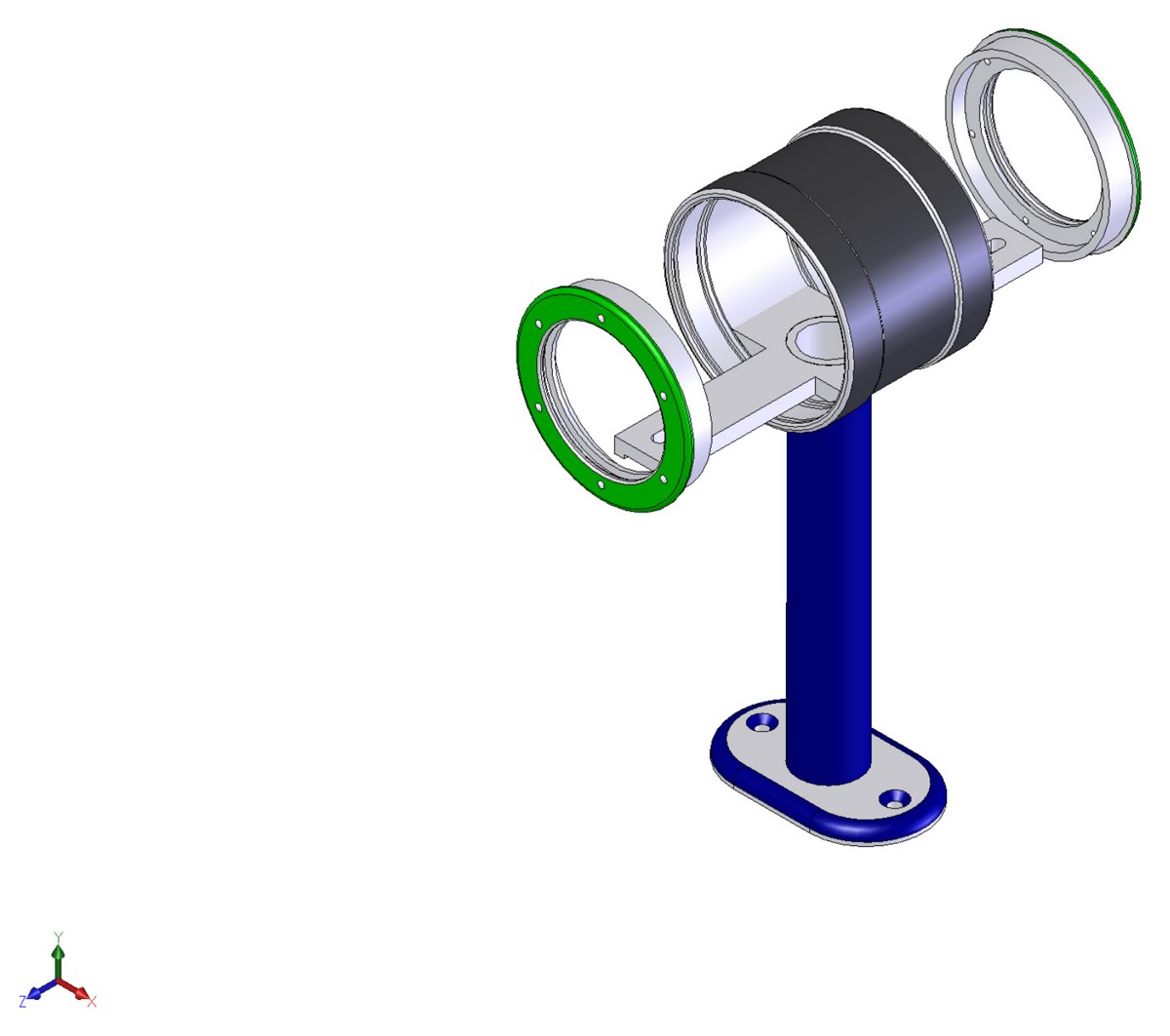
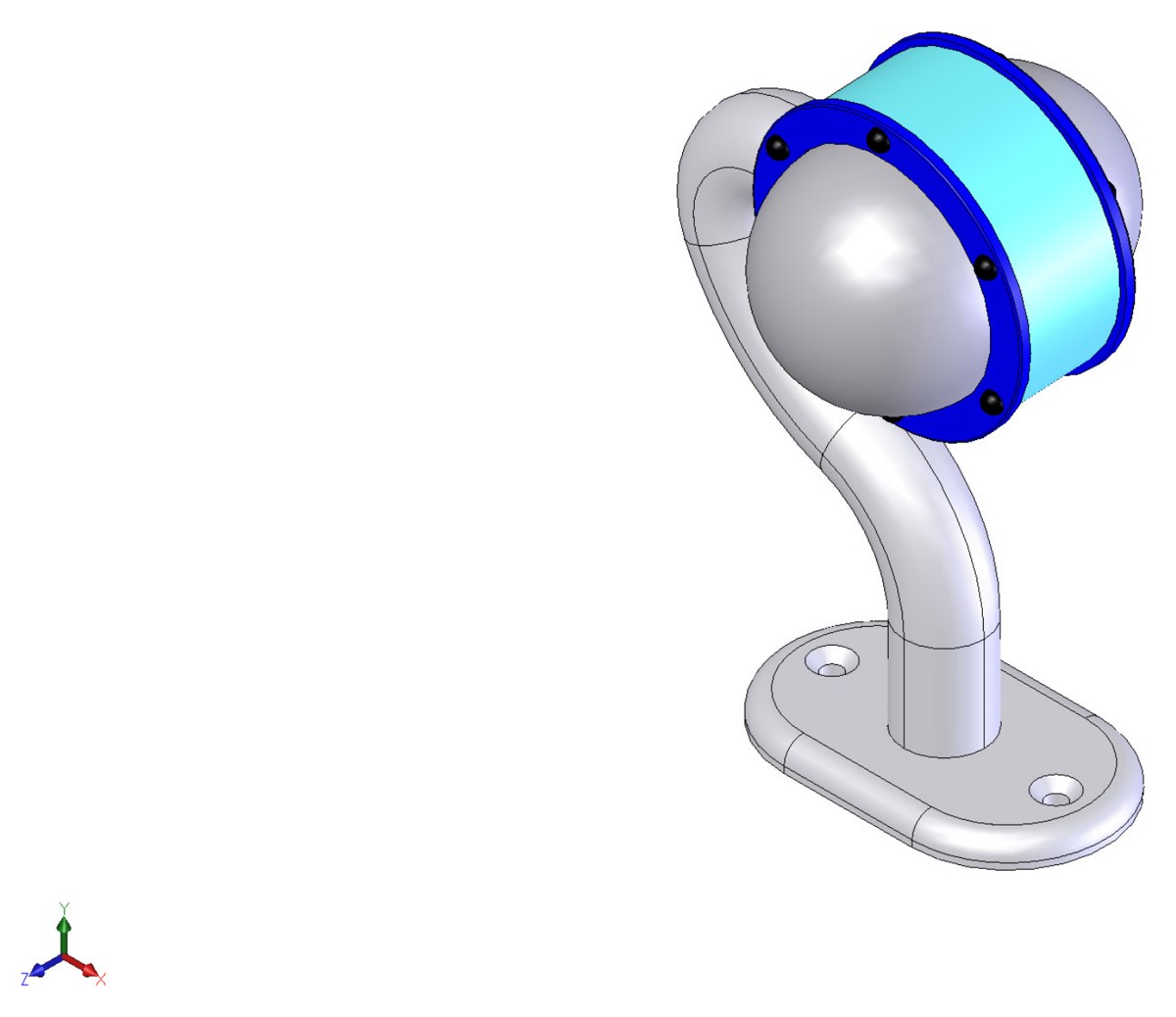
A dual-dome IP camera, a helmet camera, a modular demonstration camera and three further designs. All were built and used as consulting material with homeland security customers.
Dual-dome IP camera.Helmet camera concept.Helmet camera, exploded view.Modular desk camera.Hammer camera, CAD.S camera, CAD.USB camera, CAD.
What clients and partners said
Built, then used
Stephane modified the products to produce spherical images, and developed innovative software products to record, stitch and de-warp digital video streams. He is always thinking two steps ahead, exploring new possibilities, and is a great sparring partner for difficult technical issues.
His creation was (and remains) quite special: a real 360 degree camera. His technical understanding of the camera was 2nd to none as he himself was the creator of the camera system, a system which could be modified to client's needs.
CEO, Eisa Musa Enterprises (client)
Then and now
Ahead of the market
Dual-fisheye 360° cameras now fit in a pocket, and fisheye-plus-PTZ pairs are standard in IP surveillance. These prototypes addressed the same problems years earlier, with the components available at the time.