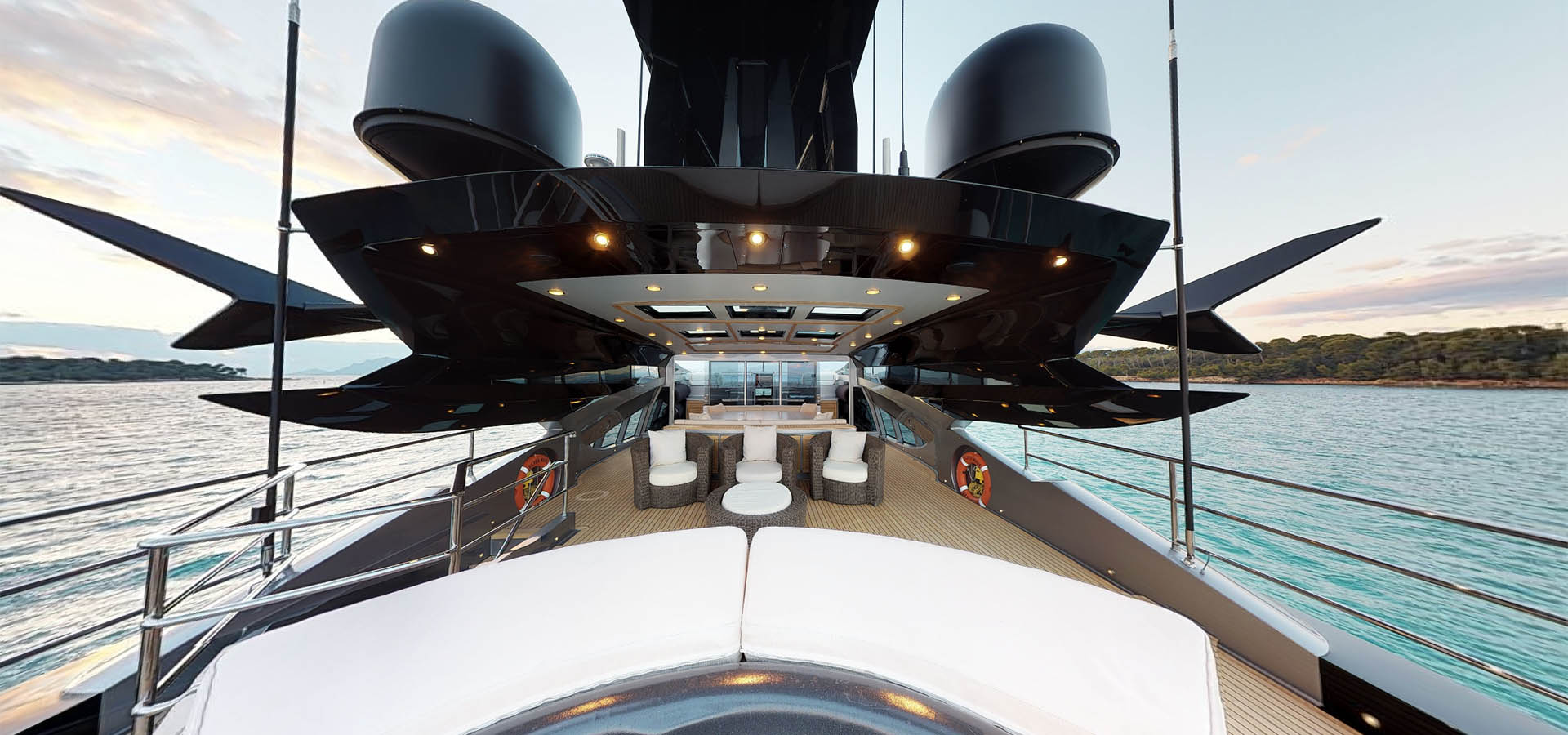
Superyachts, on Record.

Superyachts as LiDAR digital twins with Universal360, from the 72 m No Rush build to before-and-after refit scans, and the iPIX yacht spheres where it all started in 2000.

Case study · Superyachts · Digital twins

Every inch of the yacht, on record

Scanned on board by Universal360. Finished in post by AVG.

Universal360 captures superyachts as LiDAR digital twins: during construction, before and after a refit, or simply to give an owner a yacht they can walk through from anywhere. Paul Shersby works on board; AVG handles the post-processing that turns the scans into the finished twin.

Below the current work is where it started: the same idea on two yachts in 2000 and 2001, with the technology of the time.

72 m

No Rush, designed by Giorgio Armani

8

complete scans during her build

2018 → 2022

one yacht, scanned before and after her refit

25 years

from iPIX spheres to LiDAR twins

During the build

No Rush: eight scans, one build

The 72-metre Admiral superyacht designed by Giorgio Armani, now called No Rush, was scanned on eight separate occasions over several months of construction at The Italian Sea Group in Tuscany. Each scan documents the whole yacht at that stage of the build.

Viewed side by side, the build stages become a time-stamped record: owners and build teams compare stages, engineers add and update information inside the model, new contractors and crew learn the layout before they step aboard, and what lies behind the walls, ceilings and deck panels stays on record after they are closed.

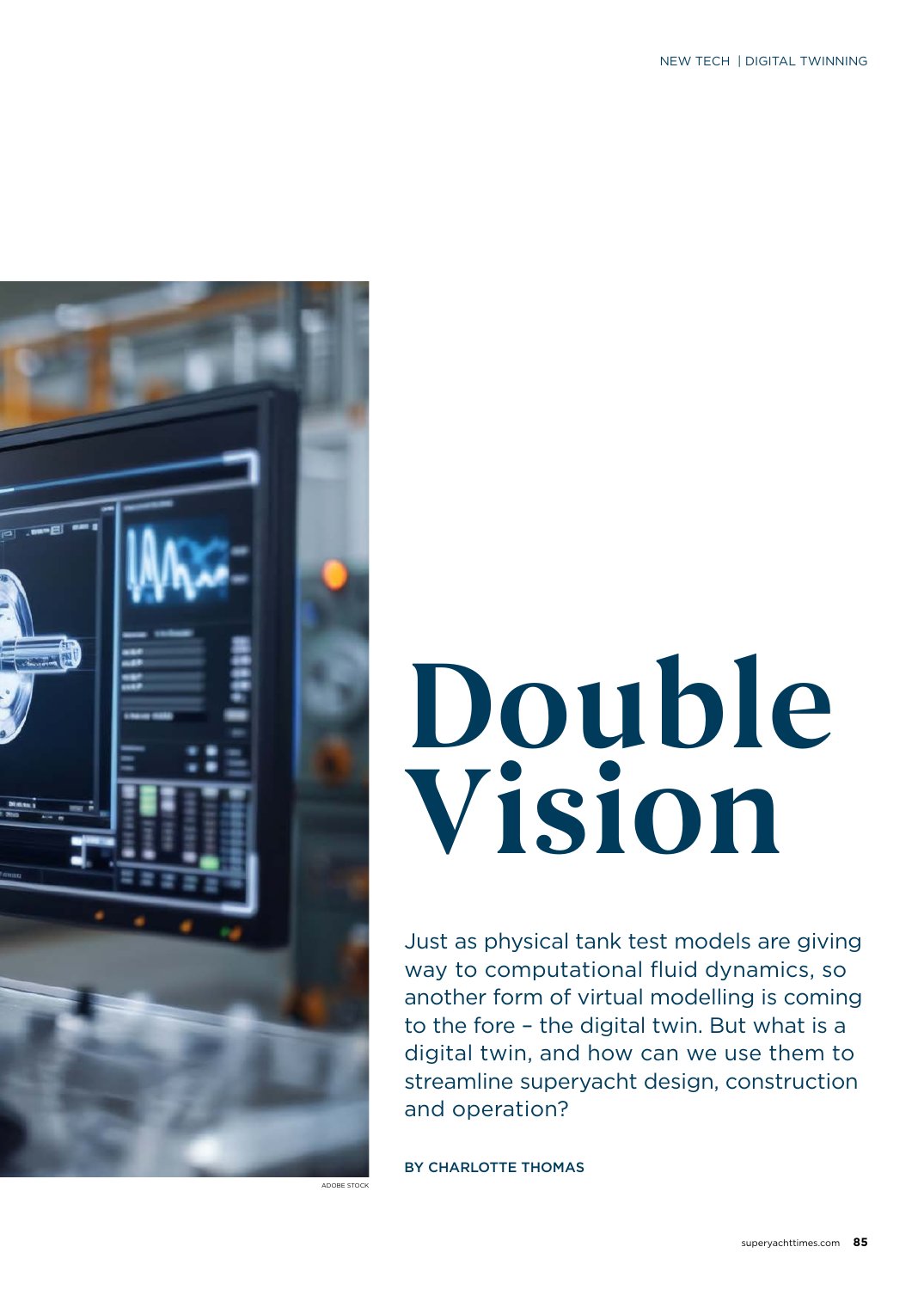
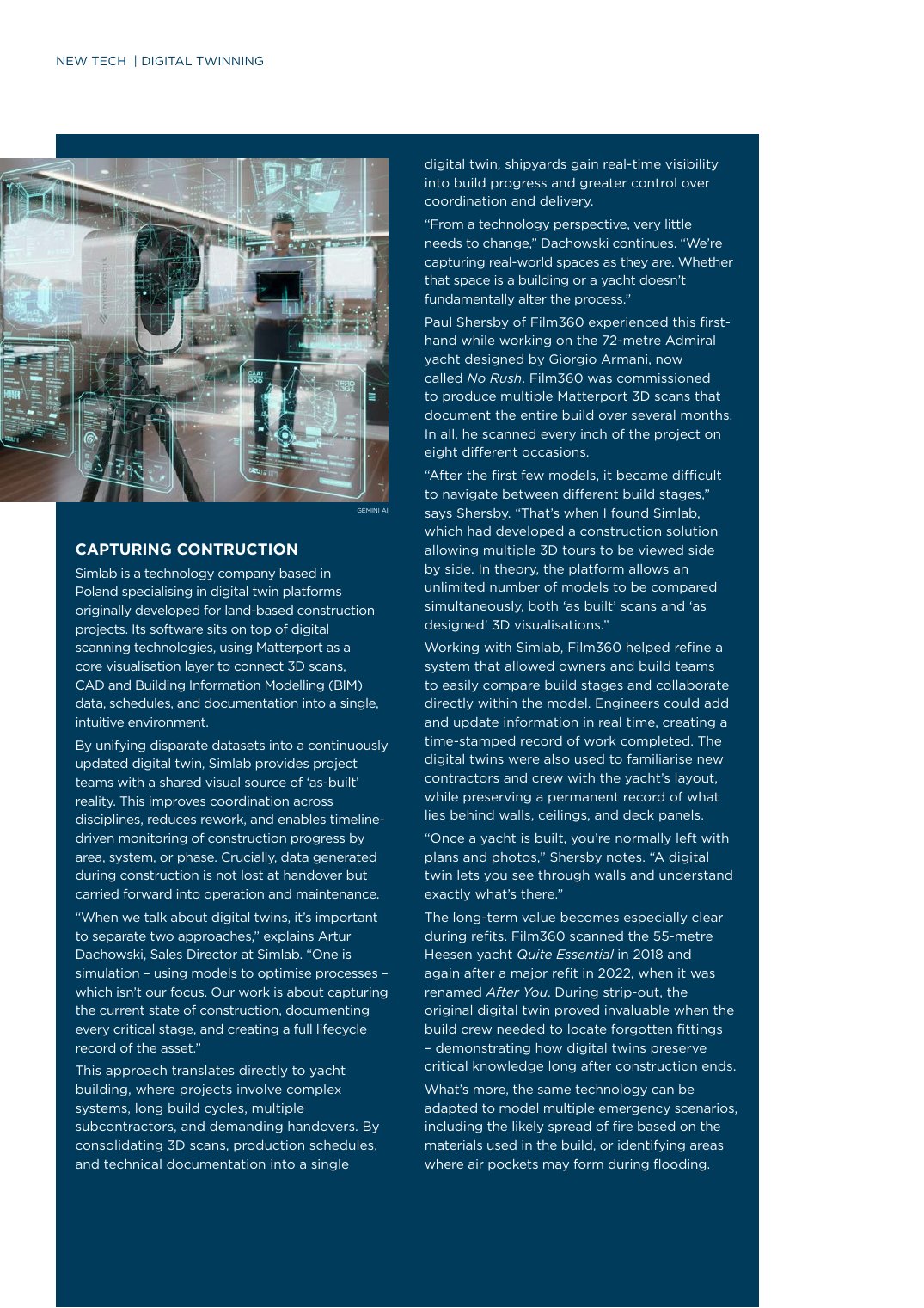
Double Vision, the digital twinning feature in How to Build It issue 10The page on the No Rush build scans and the Quite Essential / After You refit

Featured in Double Vision, the digital twinning feature in Superyacht Times' How to Build It, issue 10. Click a page to enlarge.
“A digital twin lets you see through walls and understand exactly what’s there.”

Paul Shersby, Film360 / Universal360, in How to Build It, issue 10

Before and after the refit

One yacht, two digital twins

The 55-metre Heesen Quite Essential was scanned in 2018, and again in 2022 after a major refit that gave her a new name, After You. During the strip-out, the first twin helped the crew find fittings nobody remembered. Both twins are online: step inside either one.

Before and after, side by side

Both twins loaded together and linked: walk through the 2018 yacht and the 2022 refit at the same time, or drag the slider to wipe from one to the other.

Open the comparison full screen →

On set, and in post

Two crafts, one twin

Paul Shersby comes from the film industry, where he worked as a location manager, with production credits including Braveheart, Four Weddings and a Funeral and Empire of the Sun. Those instincts are exactly what a scan on a working yacht needs: access, timing, crew, and no space left out.

AVG’s side is what happens after: the post-processing that turns the raw scans into a finished twin, ready to share. Paul is at his best on set; we are at ours in post.

Where it started

Superyachts in 360°, twenty-five years ago

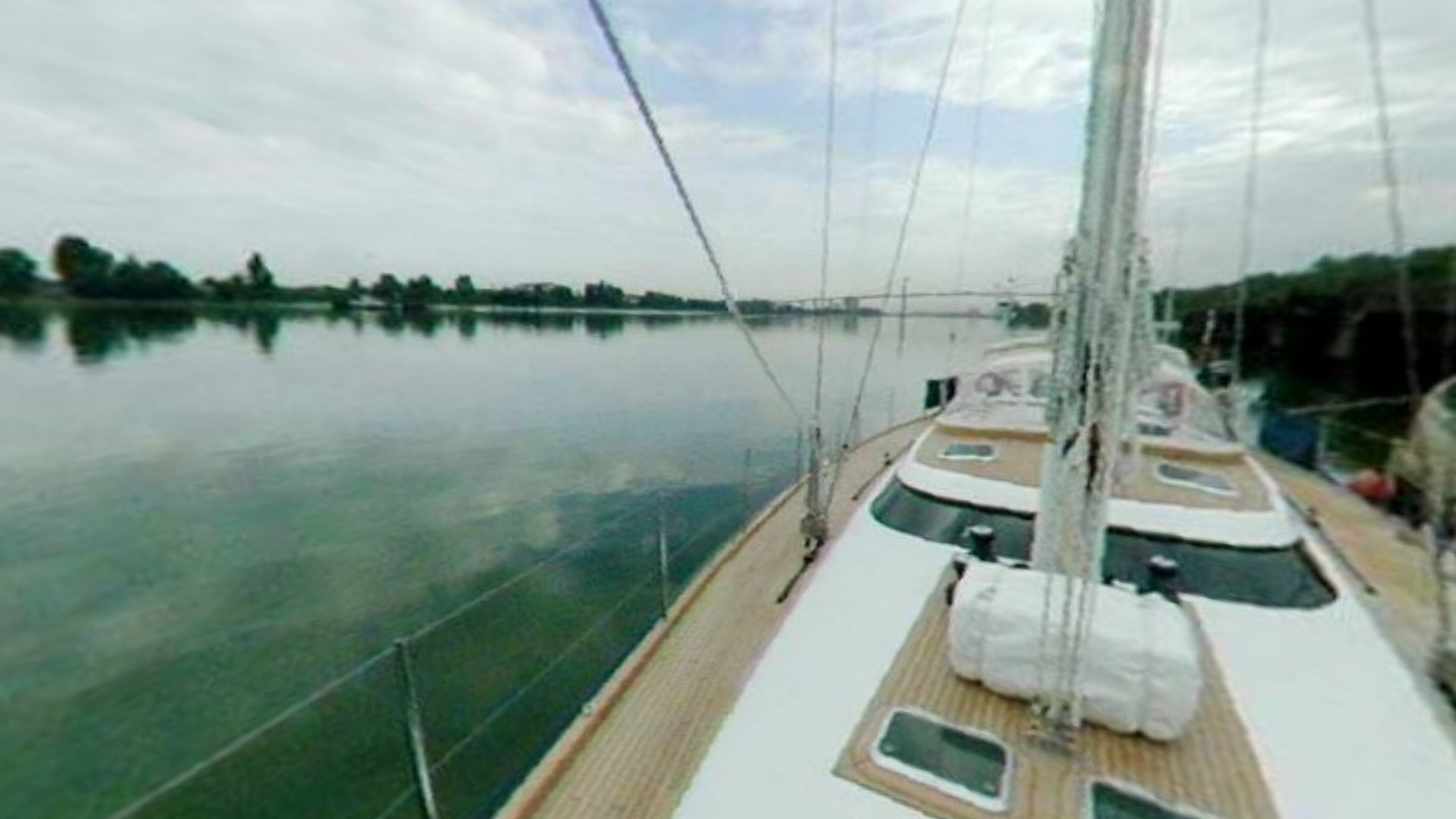
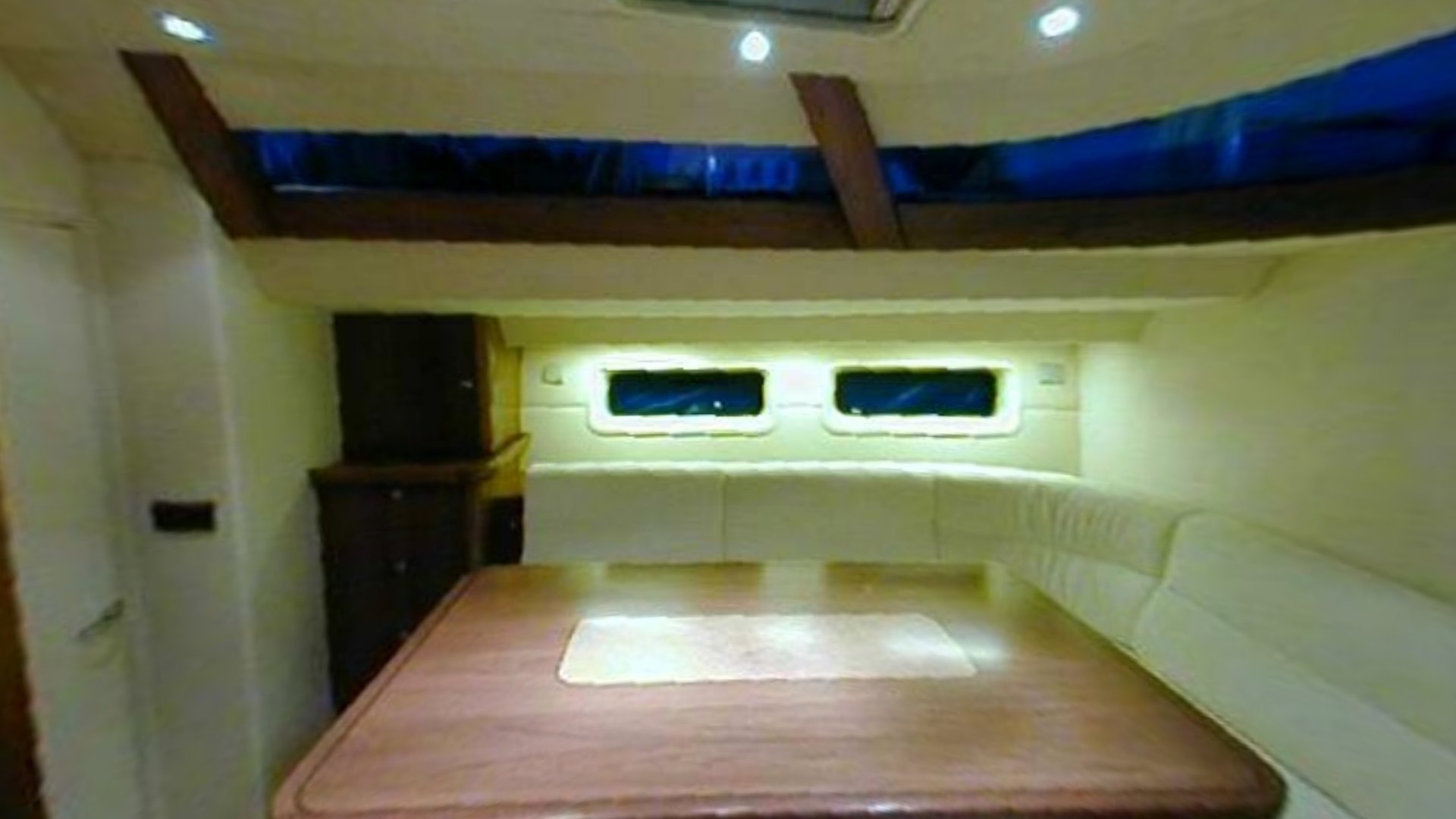
In 2000, in Bordeaux, Doo Interactive produced a CD-ROM for the yacht builder CNB: 18 iPIX spheres of a large sailing yacht, from the saloon and galley to the chart table, the engine room and the deck, with 3D work textured by the team’s friends at Algory. Algory went on to become Lumiscaphe, today a reference in real-time 3D visualisation for the aviation and automotive industries.

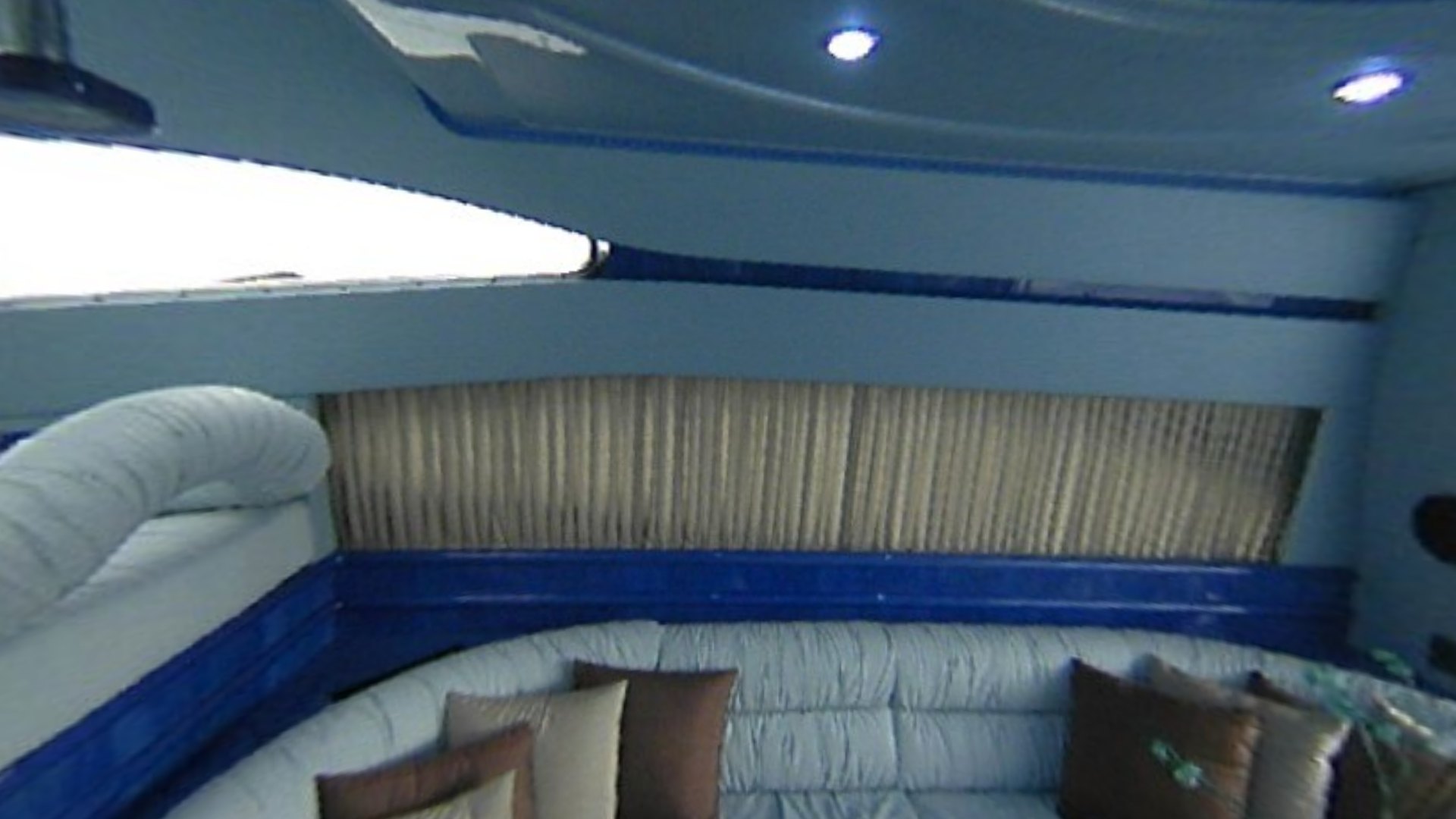
A year later the team shot a Ferretti motor yacht at a boat show: 21 more spheres, from the helm to the flybridge. Both sets survived on an old hard drive in formats nothing reads any more; AVG decoded them again for this page.

CNB · 2000
Ferretti · 2001

Drag to look around. Original iPIX spheres, 2000 and 2001, recovered and restitched in 2026.

CNB, 2000: on deck.
CNB, 2000: on deck.
CNB, 2000: the saloon.
Ferretti, 2001: saloon.
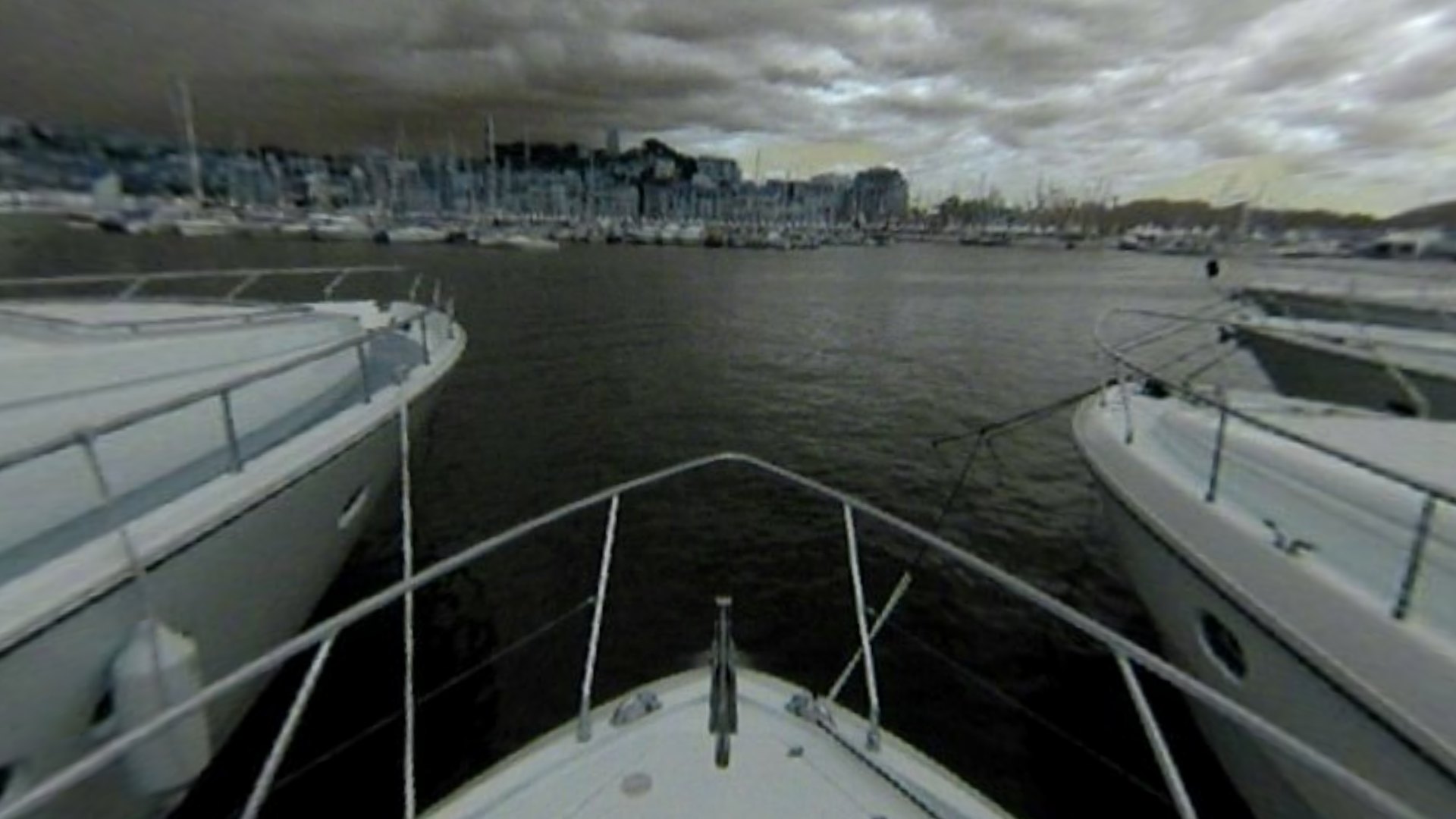
Ferretti, 2001: from the bow.
Algory, 2000

Choose the materials

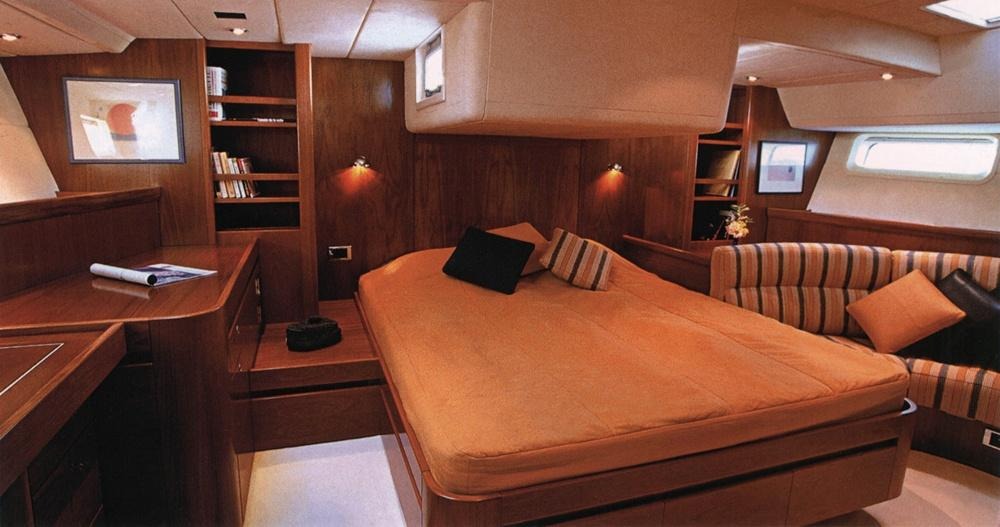
The CNB CD-ROM also carried a material configurator for the owner’s cabin, built with the team’s friends at Algory: wall panels, floor, desk top and bedspread, swapped on the image of the real cabin. Algory became Lumiscaphe, which now does the same thing in real time for aircraft cabins and car interiors.

Owner's cabin of the CNB yacht, from the 2000 material configurator
Wall panel
Floor
Desk top
Bedspread

The original configurator images, extracted from the 2000 CD-ROM. Pick any combination.

What changed

From a sphere to a twin

2000–2001Today
CaptureTwo fisheye shots back to backLiDAR scanning, room by room and deck by deck
ResultA photographic sphere you can look aroundA measurable 3D model you can walk through
DeliveryA CD-ROM for the shipyardA web link for owner, captain, yard and crew
Over timeOne moment, one boat showEvery build stage, before and after a refit, side by side

The idea has not changed: put the viewer on board. What changed is what the viewer gets. A sphere shows a yacht; a digital twin measures it, records it and keeps it, from the first frame of the build to the next refit.

Your yacht

Scan it once. Keep it for life.

For a build, a refit, a sale or an owner who wants the yacht in their pocket: tell us about the project and we will put you in touch with the team on board.

Scroll to Top