
Accor.
1999–2006: Doo Interactive captured more than 750 Accor hotels in 360° and built the platform that stitched and served more than 90,000 images.
750 hotels, one platform
At scale, the method is the product.
In 1999 Accor commissioned Doo Interactive to put a first group of its Paris hotels online in 360°. By 2006 Doo Interactive had captured more than 750 Accor hotels in at least nineteen countries, and its online platform had received, automatically stitched and served more than 90,000 images to Accor’s marketing teams.
The challenge was never a single image. In 1999, 360° photography was still a craft: one photographer, one site, hours of stitching at a workstation. Accor needed it hundreds of times, on several continents, through a distributed network of photographers, with the same quality everywhere and Accor keeping the final choice. Doo Interactive had to build, from scratch, the workflow that turned an artisanal process into mass production. The programme put Doo Interactive on the map.
Accor hotels captured
images uploaded and stitched
countries, 1999–2006
From a proof of concept to a global programme
One protocol for every photographer
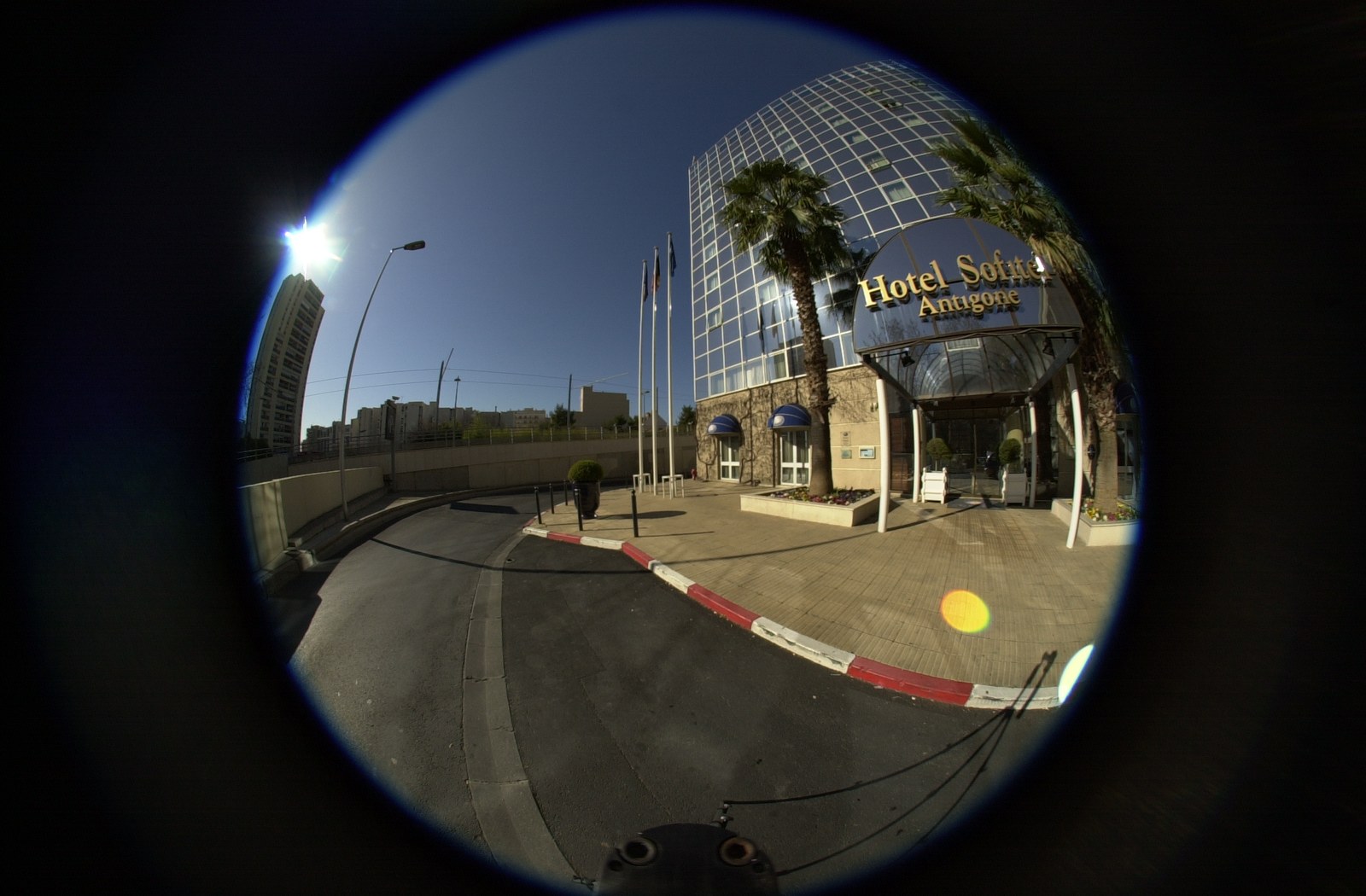
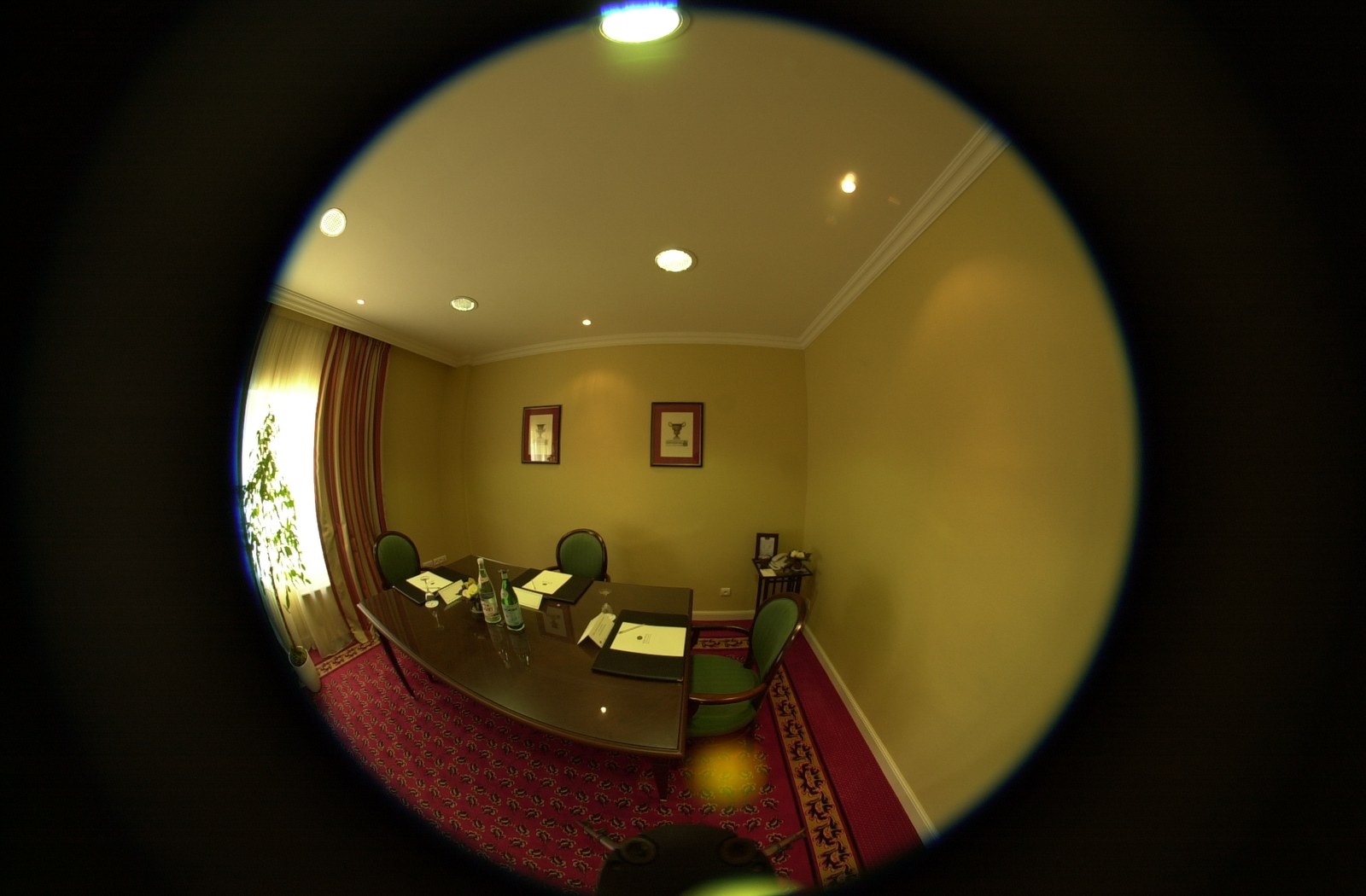
Doo Interactive’s shooting protocol was first designed for EDF and CEA nuclear sites, where nothing can be left to chance, then applied to hotels worldwide. The work was digital from the start: Nikon D1 cameras with fisheye lenses and Nikon Coolpix 950s with optical fisheye adaptors, two shots back to back for every view.
- Every view shot at the same height, 170 cm from floor to camera.
- A slate photo naming each viewpoint, so no file is ever misfiled.
- A marked tripod top so that every sphere is oriented the same way.
- Viewpoints chosen for foreground, even light and coherent links between views.
- Images checked on site, and every shoot filed under the hotel’s Accor code.
- At least five views planned per hotel, and at least twenty locations shot.
Every shot was also bracketed: the same view captured at several exposures, so that bright daylight from windows and terraces could be blended into dark interiors instead of burning out. The technique was new at the time. iPIX had acquired Rimfire, which applied a similar approach to real-estate imaging in the United States, and Doo Interactive developed its own process for the Accor programme.
From artisanal to mass production
Doo Interactive designed and built an online platform that connected the photographers in the field to Accor’s marketing team. Photographers uploaded their raw fisheye sources. The platform stitched them automatically into proof panoramas, online within a day or two. Accor’s marketing team screened the proofs and chose the pictures for each hotel, before final production in every format the group needed. Doo Interactive hosted and maintained the database of Accor shoots.
None of it existed off the shelf. There was no cloud capacity to rent and no GPU to accelerate stitching. Upload, automatic stitching, online selection and hosting were all designed and built from scratch by Doo Interactive, and ran continuously as shoots arrived from around the world.
Shooting twenty locations when five were planned was deliberate. Faced with twenty good views, the marketing team regularly selected more than five: the platform turned the moment of choice into additional business, with no sales visit required.
From images to sales tools
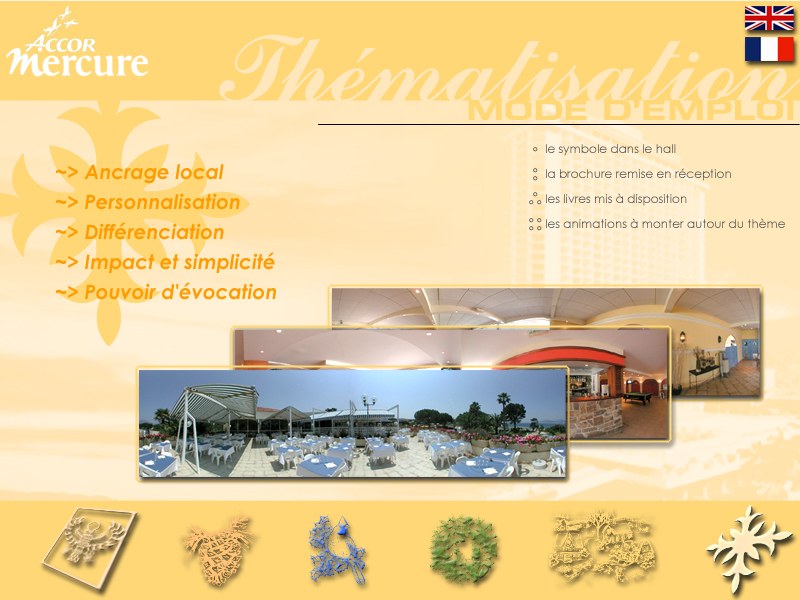
The CD-ROMs came next, reusing the image base with Doo Interactive’s Macromedia Director know-how. Sofitel proposed a presentation CD-ROM to every hotel, built on its virtual tour and industrialised with the same structure for all: welcome, description, rooms, dining, features, location and reservations, around full-screen 360° views. Sales teams could learn a hotel before selling it, and walk a client through a property on another continent from a laptop.
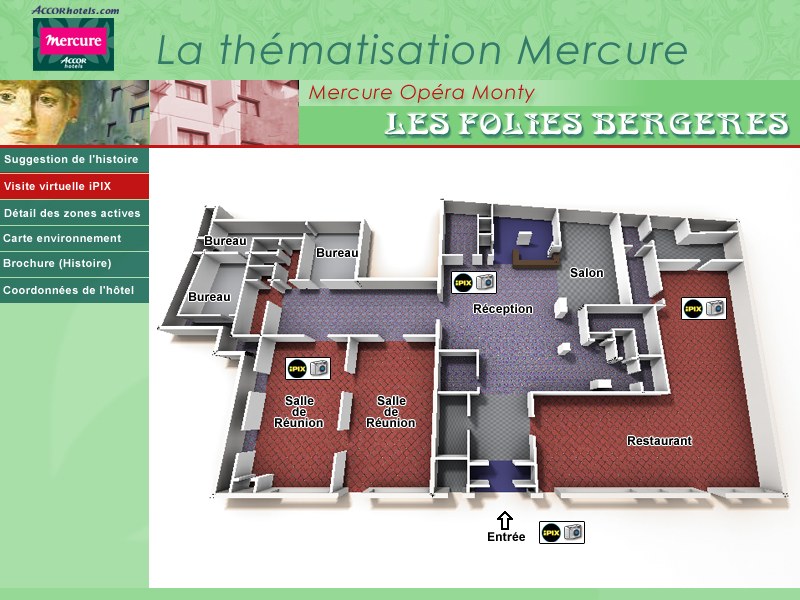
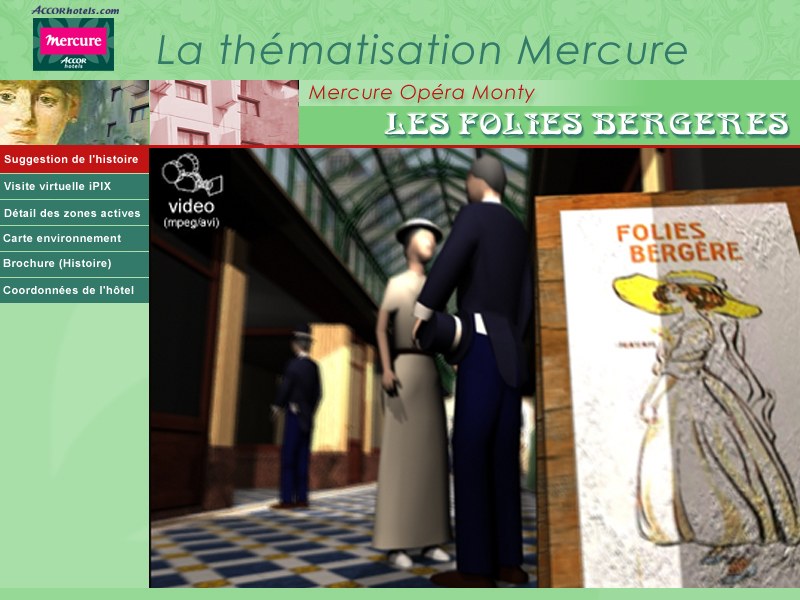
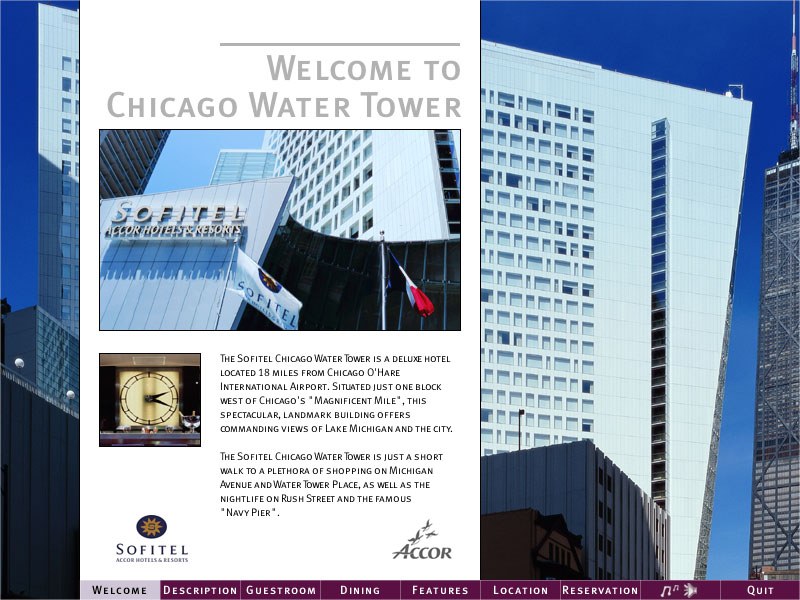
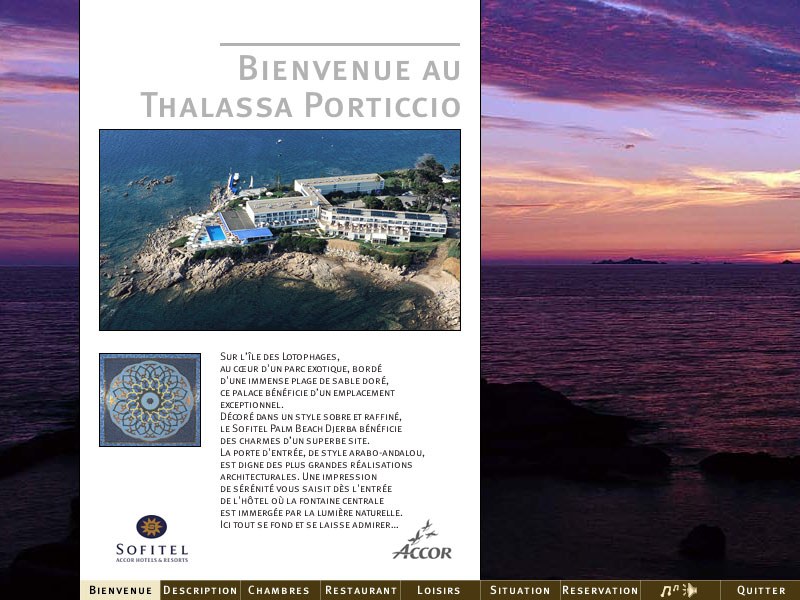
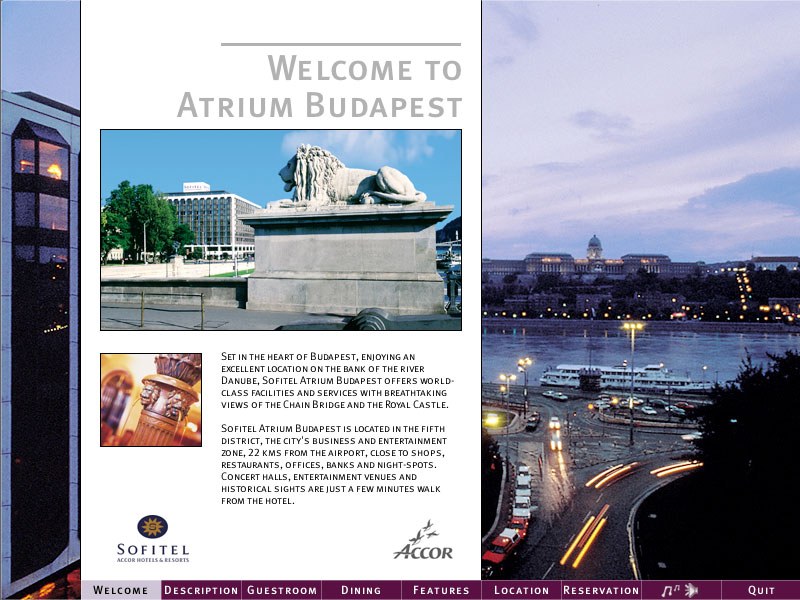
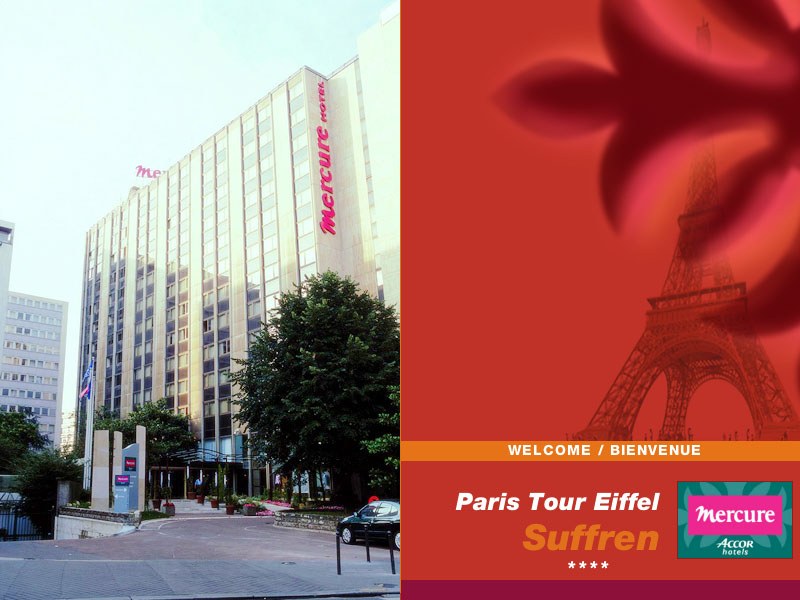
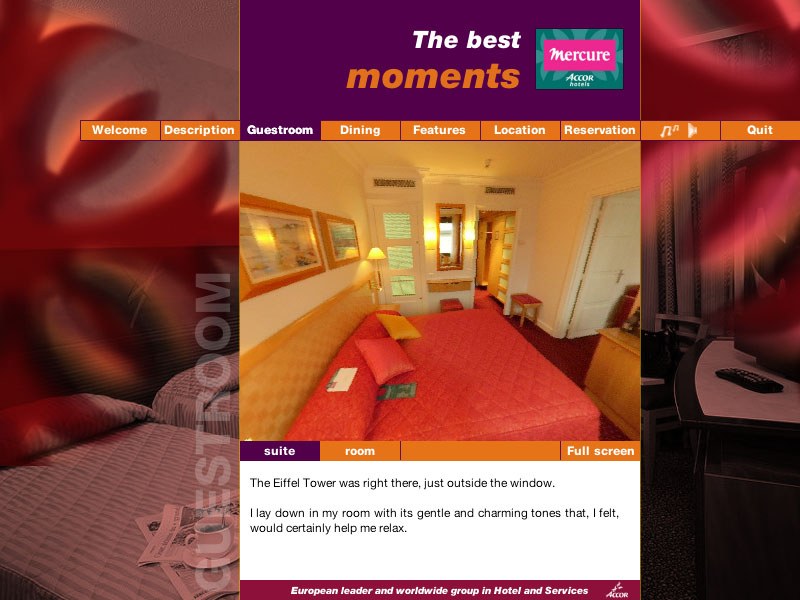
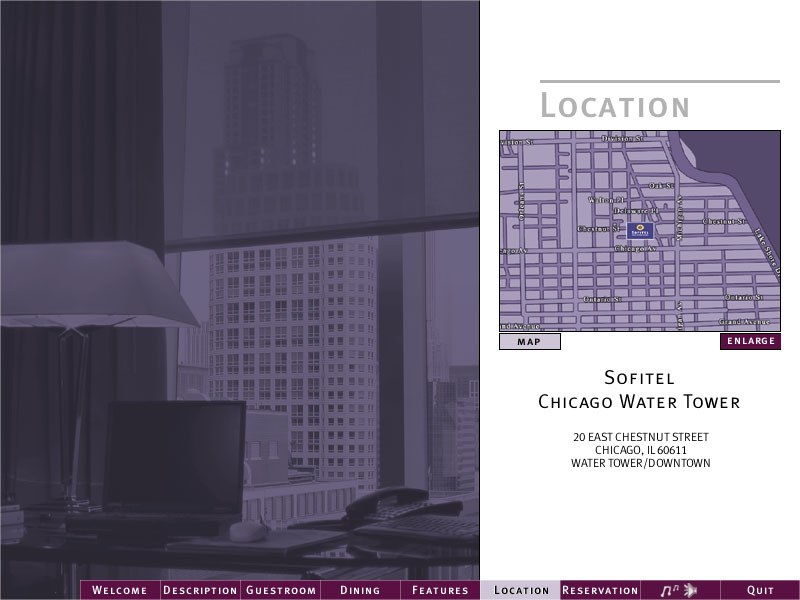
The hotels in 360°
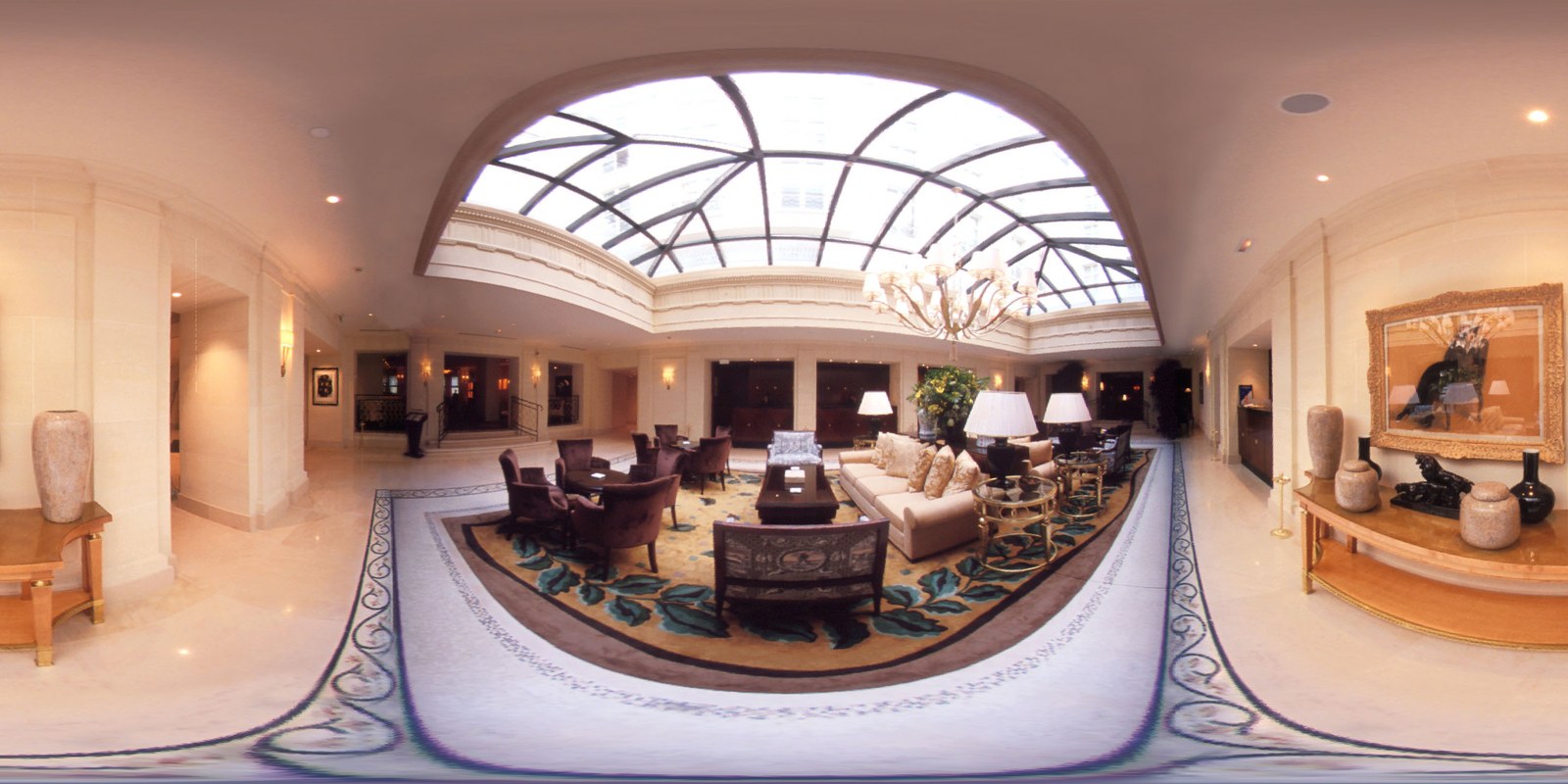
Twenty views from the hotel CD-ROMs and the Doo Interactive archive. Most shipped as protected iPIX files and were decoded and converted into standard panoramas in 2026.
The method is the product
360° views are now common on hotel and booking sites, and a phone can capture one in seconds. A programme like this would now run on cloud storage and GPU processing; in 1999–2006 it ran with neither. What made the Accor programme work still applies to any large rollout today, from digital twins to camera networks: a standard every operator can follow, a platform that never loses a file, and a clear moment where the client decides.
Produced by Doo Interactive for Accor, 1999–2006. Doo Interactive was founded in 1998 and grew into a team of video editors and multimedia producers.